
Bean Curd for Beginners – A Non-Cook’s Guide to Tofu
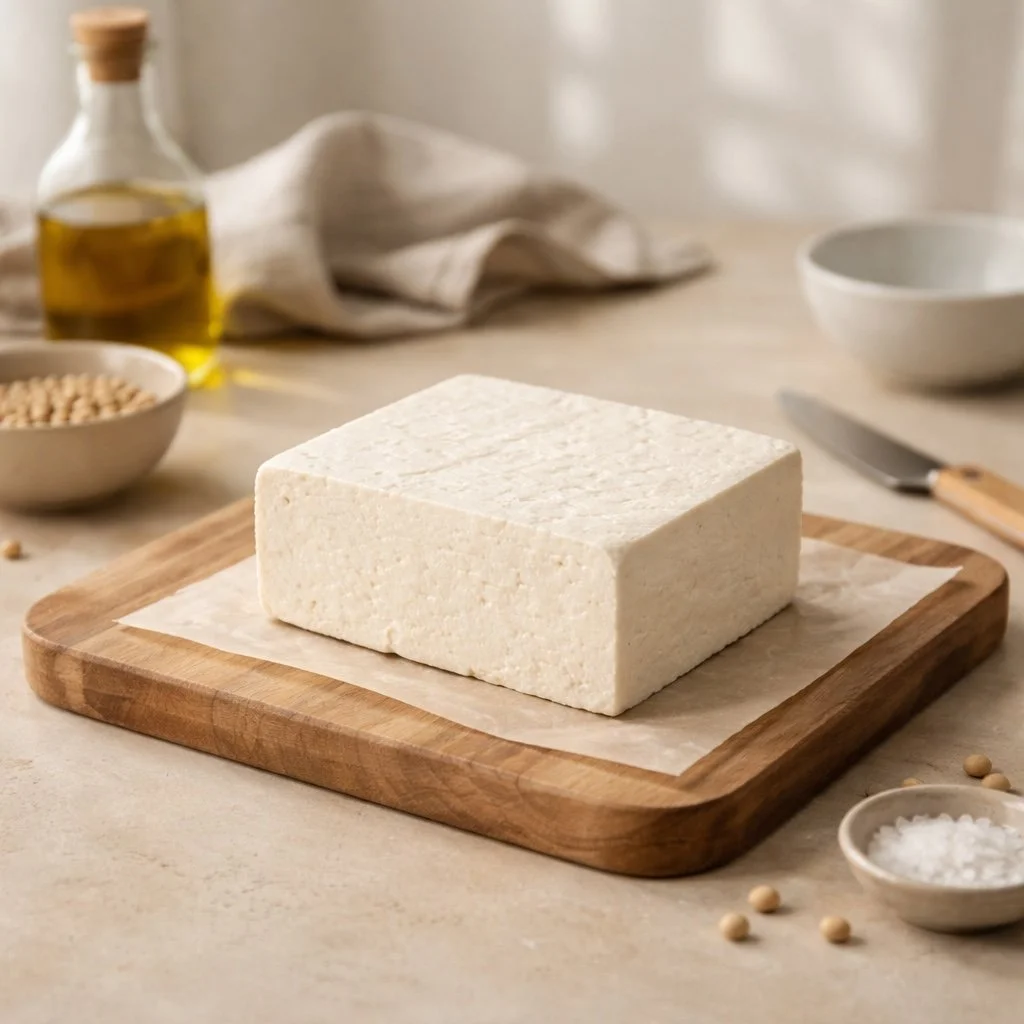
What Is Bean Curd (Tofu), Really?
Tofu—also known as bean curd—is made by coagulating fresh soy milk and gently setting it into blocks. That’s it. No mystery ingredients. No ultra-processing. Just soybeans, water, and a natural coagulant.
Think of tofu less like “fake meat” and more like fresh cheese made from beans. Its mild flavour isn’t a flaw—it’s the reason it works so well across cuisines, from savoury to sweet.
If you’ve avoided tofu because you “don’t cook,” here’s the good news: you don’t need to cook tofu at all to start enjoying it.
The Biggest Beginner Myth: “I Don’t Know How to Cook It”
Most people struggle with tofu because they jump straight to recipes, techniques, and rules.
But tofu isn’t something you master before using.
It’s something you get familiar with first.
This guide isn’t about frying, baking, or marinating.
It’s about understanding tofu as an ingredient you can meet where you are—whether that’s zero cooking confidence or just mild curiosity.
Step One: Know the Main Types (You Only Need Three)
You’ll see many labels, but beginners only need to recognise these:
1. Silken Tofu (Very Soft)
Texture: Smooth, custard-like
Best for: No-cook uses
Think: yoghurt, ricotta, panna cotta
Beginner-friendly uses:
Blend into smoothies
Stir with soy sauce and sesame oil
Spoon over rice with chilli crisp
No knife skills required. No heat needed.
2. Firm Tofu
Texture: Gently springy, holds shape
Best for: Simple pan or air-fryer use
Think: fresh cheese you can slice
Beginner-friendly uses:
Slice and warm in a pan with oil and salt
Add directly to soups
Toss into salads as-is
This is the safest starting point if you might want to cook later.
3. Extra-Firm Tofu
Texture: Dense, chewy
Best for: People replacing meat
Think: something you bite into
Beginner-friendly uses:
Slice and heat
Eat cold with dipping sauce
Crumble into wraps or bowls
You can treat it like a ready-to-use protein.
Step Two: Forget “Flavour Absorption” (For Now)
Beginners are often told tofu is a “sponge”.
It’s not.
Tofu doesn’t magically suck flavour deep inside—and that’s okay. You don’t need marinades, soaking, or advanced techniques to enjoy it.
Instead, flavour lives on the surface:
A drizzle of soy sauce
A spoon of chilli oil
A pinch of salt
A splash of vinegar
That’s enough.
Think of tofu as something that carries flavour, not something that needs fixing.
Step Three: Start With Tofu That’s Already Ready
If you’re nervous, begin where effort is lowest.
Look for:
Fresh tofu from Asian grocers
Vacuum-packed firm tofu
Plain tofu with short ingredient lists
Avoid starting with:
Highly seasoned novelty tofu
Overly firm “protein bricks”
Anything marketed as a meat replacement first
The simpler the tofu, the easier it is to understand.
How to Eat Tofu Without “Cooking”
Here are genuinely no-cook ways to start:
Cold silken tofu + soy sauce + sesame oil
Firm tofu cubes + olive oil + salt
Tofu slices + peanut sauce
Crumble tofu onto toast with avocado
If you can assemble food, you can eat tofu.
Why Tofu Feels Intimidating (And Why It Shouldn’t)
Tofu sits at the intersection of:
unfamiliar texture
cultural misunderstanding
unrealistic recipe expectations
But across Asia, tofu is an everyday food. Not clever. Not trendy. Not complicated.
The goal isn’t to make tofu impressive.
It’s to make it normal.
When You’re Ready for the Next Step (No Rush)
Once tofu feels familiar, curiosity follows naturally:
warming it
crisping it
pairing it differently
But none of that is required to begin.
At Tofu World, we believe tofu isn’t about perfection—it’s about permission. Permission to start small. Permission to try. Permission to eat kindly without pressure.
Final Thought: Tofu Isn’t a Skill Test
You don’t need to be vegan.
You don’t need to be a cook.
You don’t need to “get it right.”
Tofu meets you where you are.
One block. One bite. One gentle shift toward a kinder, more sustainable way of eating. 🌱
