
The Broth Bible: Liquid Gold for Plant-Based Cooking
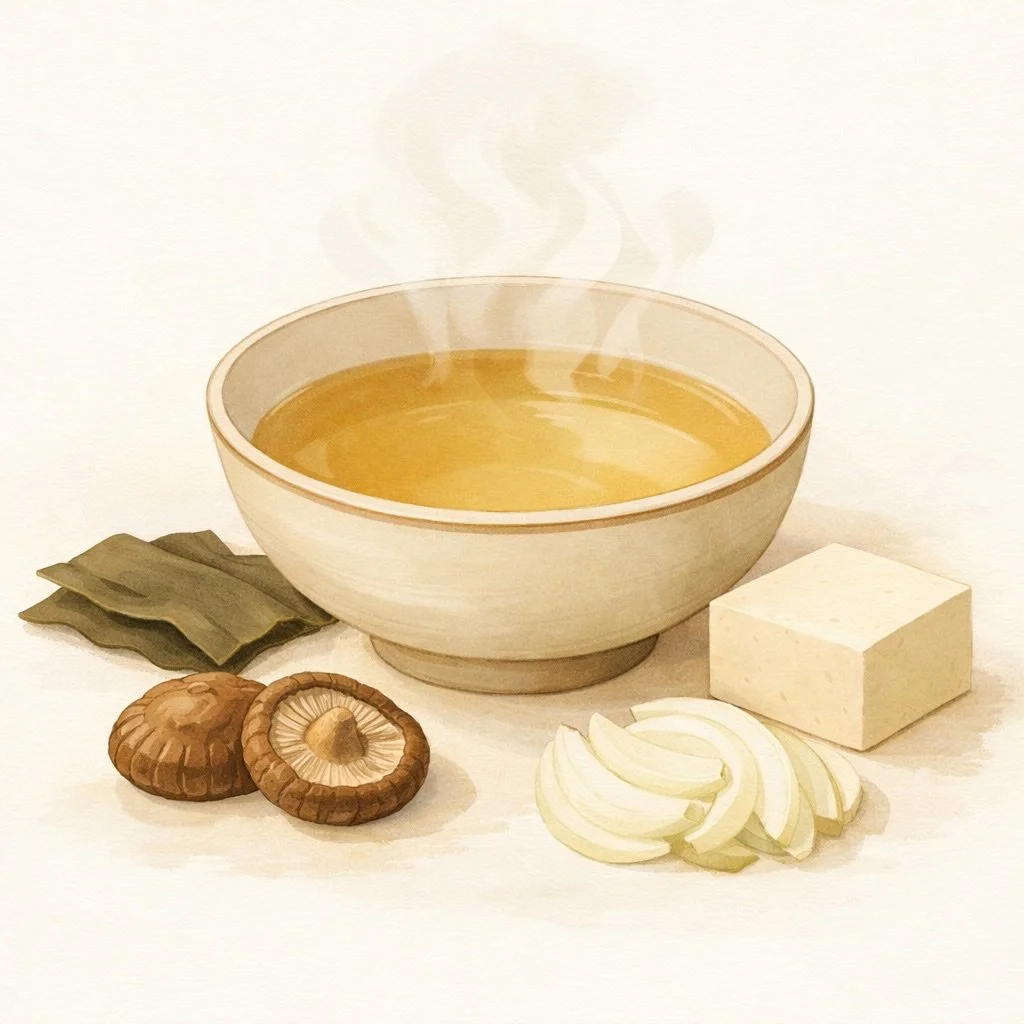
Introduction: Why Broth Changes Everything
Broth rarely gets the spotlight. It’s poured, simmered, absorbed—then forgotten. Yet in plant-based cooking, broth is the difference between food that tastes fine and food that feels complete.
Think of broth as a liquid structure. It fills the gaps where meat once carried flavour. It delivers savoury depth, gentle sweetness, and aroma without heaviness. When tofu, grains, or vegetables taste flat, the issue is rarely seasoning—it’s the liquid.
At Tofu World, broth isn’t an afterthought. It’s liquid gold.
What Makes a Great Plant-Based Broth?
A powerful broth doesn’t rely on tricks or artificial boosters. It’s built on three principles:
1. Clarity, Not Clutter
More ingredients don’t equal more flavour. Too many vegetables compete, muddying the result. Great broths are restrained.
Core building blocks:
Onion or leek (sweetness)
Carrot (roundness)
Mushroom stems or dried shiitake (umami)
Kombu or sea vegetables (depth)
Neutral aromatics (bay, peppercorn, ginger)
2. Gentle Extraction
Boiling aggressively pulls bitterness from vegetables and seaweed. Plant-based broths thrive on patience.
Simmer, don’t boil
45–90 minutes is usually enough
Kombu prefers warm steeping, not rolling heat
This keeps flavours clean and broth clear.
3. Season at the End
Salt early locks flavours in the wrong direction. Let ingredients speak first—then season precisely.
The Five Broth Families (Your Mental Framework)
Instead of memorising recipes, think in families. Each broth has a role.
1. Clear Vegetable Broth
Light, versatile, everyday.
Best for:
Cooking rice, quinoa, couscous
Simmering greens
Light soups with tofu cubes
This is your default liquid upgrade.
2. Mushroom Umami Broth
Deep, savoury, grounding.
Built with:
Dried shiitake
Mushroom stems
Onion skins
Best for:
Braising tofu
Noodle soups
Plant-based gravies
This replaces “meaty” depth without imitation.
3. Kombu-Forward Broth
Clean, oceanic, subtle.
Best for:
Miso soups
Silken tofu dishes
Minimal Japanese-inspired plates
Less is more. Kombu whispers; it never shouts.
4. Roasted Vegetable Broth
Sweet, caramelised, comforting.
Built with:
Roasted onion, carrot, fennel
Tomato paste (sparingly)
Best for:
Stews
Baked tofu dishes
Winter bowls
This broth feels like a hug.
5. Aromatic Infusion Broth
Fragrant, directional, cuisine-specific.
Examples:
Ginger-scallion broth
Lemongrass-galangal broth
Star anise-cinnamon broth
Use these to anchor a dish culturally without sauces doing all the work.
Broth + Tofu: A Quiet Power Couple
Tofu absorbs whatever surrounds it. Water gives you nothing. Broth gives you memory.
Where broth transforms tofu most:
Simmering: Gently poach tofu in broth before finishing. It seasons from within.
Braised dishes: Tofu holds structure while soaking up flavour.
Crispy tofu finishes: Even fried or baked tofu tastes better when it starts with broth contact.
A small change—switching water for broth—can double perceived flavour.
Common Broth Mistakes (and How to Fix Them)
Mistake: Bitter broth
Cause: Boiled kombu or overcooked greens
Fix: Lower heat, remove kombu early
Mistake: Flat taste
Cause: Under-extraction or no umami
Fix: Add dried mushrooms or sea vegetables
Mistake: Over-seasoned broth
Cause: Salting too early
Fix: Season at the end, or dilute with unsalted broth
Storage, Reuse, and Broth Wisdom
Broth is circular cooking at its best.
Freeze in ice-cube trays for instant upgrades
Reuse kombu and mushrooms for second infusions
Combine leftover broths to create layered depth
Nothing needs to be wasted. Every pot teaches you something.
Why Broth Matters to a Kinder World
Broth is humble. It asks for patience, restraint, and attention. It turns scraps into nourishment and water into flavour.
When we cook with broth, we slow down. We extract meaning, not excess. We let plants speak fully.
And that’s what plant-based cooking is really about—not replacement, but revelation.
One pot. One simmer. One quiet step toward a kinder world.
