
Fermented Tofu: Rich Taste and Wellness for Your Table
What Is Fermented Tofu, Really?
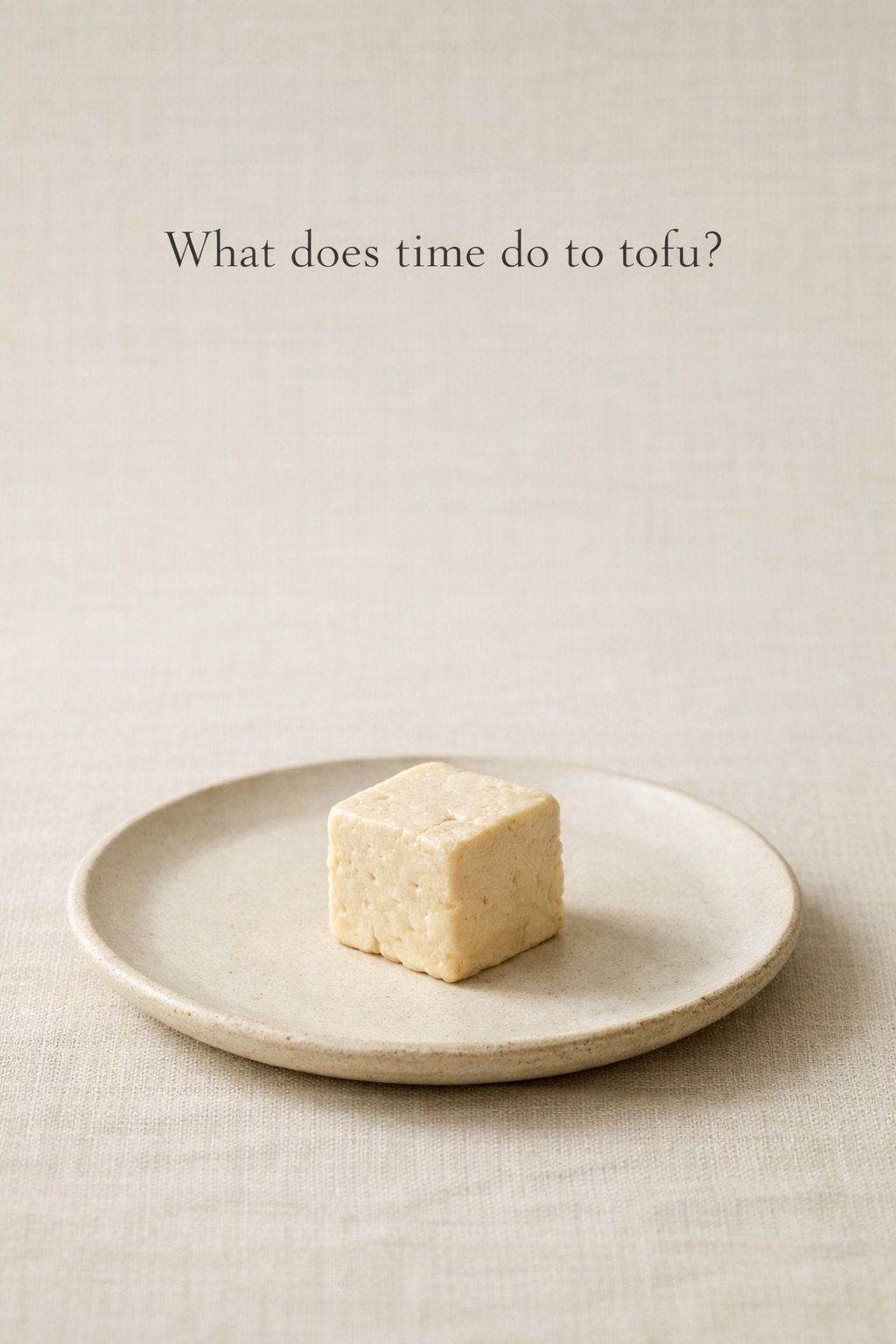
Fermented tofu isn’t a different ingredient—it’s tofu that has been allowed to change.
Fresh tofu is a hydrated soy protein gel: mild, clean, and structurally neutral. Fermented tofu, by contrast, is tofu exposed to controlled microbial activity, time, and often salt. The result is a product that’s softer, more aromatic, and deeply savoury.
Across Asia, fermented tofu appears in many forms—creamy cubes aged in jars, pungent street-fried versions, or rice-wine-infused condiments used like cheese or miso. Despite their differences, they all share one thing: transformation through patience.
How Fermentation Changes Tofu
Fermentation doesn’t add flavour—it reveals it.
As microbes work on tofu, they break down complex soy proteins and fats into smaller compounds. Amino acids like glutamate increase, creating umami depth. Texturally, the tight protein network of tofu relaxes, becoming spreadable, custardy, or lightly crumbly depending on the method.
This process mirrors other fermented foods:
Milk becomes cheese
Soybeans become miso
Grapes become wine
In each case, fermentation trades freshness for complexity and longevity.
A Brief Cultural History
Fermented tofu has long been valued as a preservation food—a way to store protein before refrigeration. But it also became a cultural flavour marker.
In Chinese cuisines, jar-aged fermented tofu (often called furu) is stirred into sauces, braised dishes, or eaten sparingly with rice. In Taiwan, stinky tofu evolved into a beloved night-market food, where fermentation creates an aroma that announces itself long before the stall appears.
Rather than masking plant-based food, fermentation celebrated tofu’s ability to carry time, place, and memory.
Wellness Through Fermentation
Fermented tofu is not a health supplement—but its traditional appeal aligns with modern wellness thinking.
Gentler Digestion
Protein breakdown during fermentation can make fermented tofu easier to digest for some people, particularly compared with dense, fresh soy products.
Bioavailability
Minerals and amino acids may become more accessible as fermentation reduces certain binding compounds naturally present in soy.
Microbial Legacy
Even when fermented tofu is cooked, it carries the biochemical legacy of fermentation—similar to aged cheeses or fermented sauces—offering depth without heaviness.
Importantly, fermented tofu is typically eaten in small, intentional amounts, reinforcing balance rather than excess.
Flavour Architecture: How to Use It
Fermented tofu is best treated as a seasoning, not a centrepiece.
A little goes a long way.
Crumbled into stir-fried greens for salt and umami
Whisked into sauces for depth and creaminess
Mashed with oil or sesame paste as a tofu “butter”
Used sparingly alongside rice or congee
Think of it like anchovy, blue cheese, or miso—an ingredient that anchors a dish, not overwhelms it.
Common Misunderstandings
“It’s rotten.”
Fermentation is controlled, intentional, and centuries old—not spoilage.
“It should smell bad to taste good.”
Aroma varies by style. Some fermented tofu is mild and creamy; others are bold and assertive.
“It’s unhealthy.”
Like all fermented foods, balance matters. Fermented tofu is traditionally consumed thoughtfully, not in bulk.
Why Fermented Tofu Matters Today
In a world chasing instant flavour, fermented tofu reminds us that time is an ingredient.
It shows how plant-based foods can achieve richness without additives, complexity without processing, and satisfaction without excess. Fermented tofu doesn’t try to mimic meat—it follows its own logic.
For a more sustainable food future, these traditions matter.
Final Takeaway
Fermented tofu is tofu that has lived a little.
It carries time, microbes, and human care in every bite—offering depth instead of speed, and wisdom instead of novelty. Whether mild or bold, creamy or pungent, fermented tofu invites us to slow down and taste transformation.
One cube. One jar. One reminder that good food doesn’t need to shout—it just needs time. 🌱
