
Mastering the Five Tastes in Plant-Based Cooking
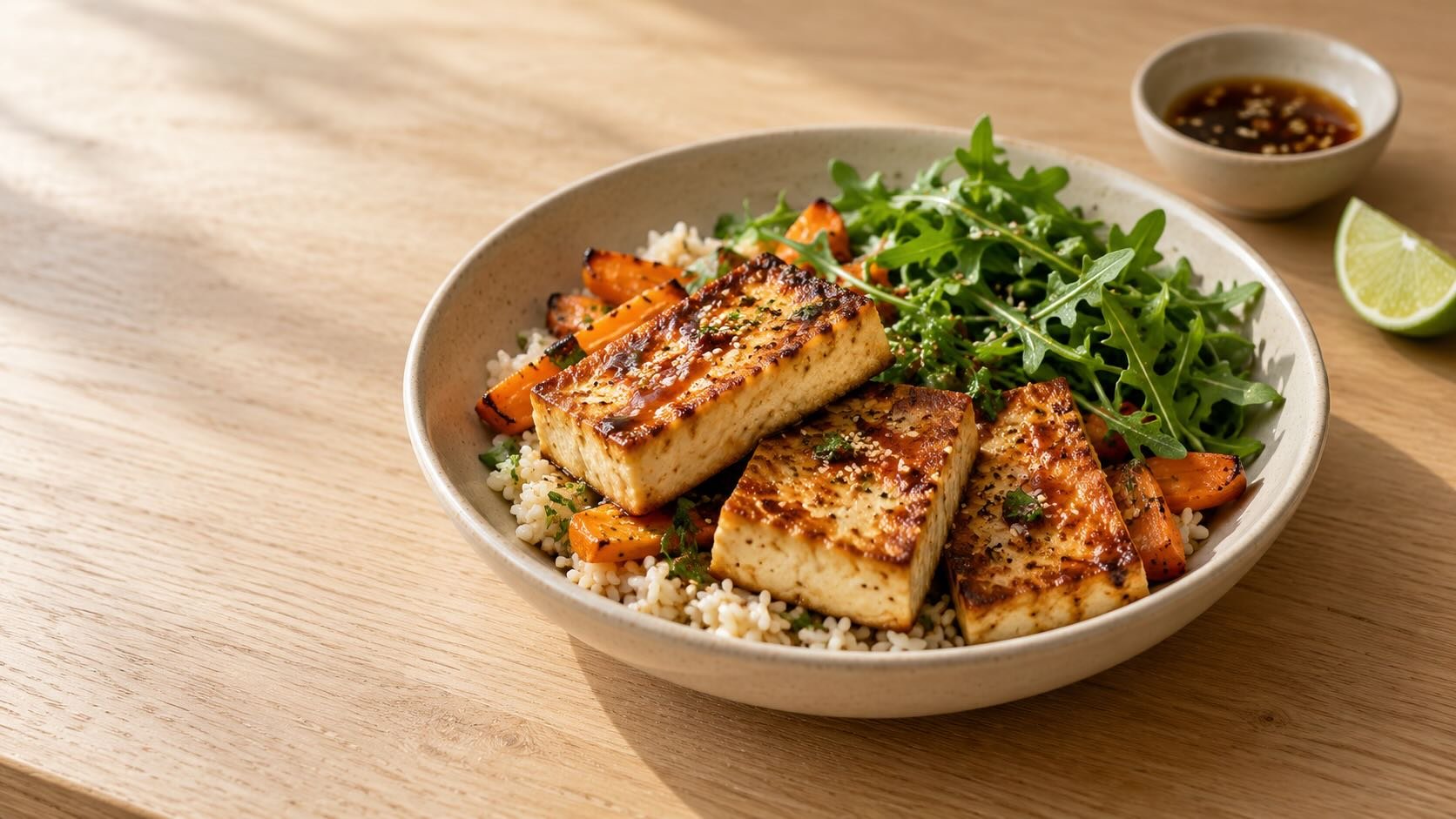
You taste a tofu bowl, and something is missing. More soy sauce? A squeeze of lime? Something sweet?
Good seasoning begins with noticing what is already there. Understanding the five basic tastes—sweet, sour, salty, bitter and umami—gives you a useful way to describe a dish and decide what to change.
Think of them as a guide, rather than a rule. Not every meal needs all five, and balance does not mean equal amounts.
Five Tastes or Five Flavours?
“Five tastes” is the more accurate term. Taste describes the basic sensations detected by taste receptors. Flavour is the wider experience, combining taste with aroma, texture, temperature and other sensations.
That is why lemon juice and vinegar can both taste sour while giving food different flavours. Chilli heat is a separate sensation, rather than one of the five basic tastes.
In everyday conversation, “taste” and “flavour” often overlap. Here, keeping them separate helps explain what each ingredient contributes.
1. Sweet: A Little Can Round Out a Dish
Sweetness comes from more than sugar. Carrots, sweetcorn, ripe fruit and cooked onions can all bring it to a meal.
In savoury cooking, a little sweetness can make a sharp dressing or bitter vegetable more enjoyable. It does not need to make the food taste sugary.
Try it with tofu: if a lime dressing tastes too sharp, test a few drops of maple syrup in a spoonful first. You may need less lime or a little water instead. For a creamy dressing, try a small amount of tahini or unsweetened plant-based yoghurt, then taste again. These bring their own flavours too.
Sweetness changes the balance you perceive; it does not remove acid.
2. Sour: Brightness and Contrast
Lemon, lime, vinegar and tamarind bring sourness. They can give a rich meal a refreshing contrast or make a quiet dish feel more lively.
Try it with tofu: taste a tofu-and-mushroom bowl, then add a few drops of lemon juice to one bite. Compare before seasoning the whole bowl.
Add citrus gradually, especially when the sauce already contains vinegar or another sour ingredient. Fresh zest can add citrus aroma when you want less extra sourness.
3. Salty: Season With the Whole Meal in Mind
Saltiness can come from salt, soy sauce, miso, olives or other preserved ingredients. Several of these also contribute umami, acidity or aroma.
Before adding more, check what is already in the pan. Soy sauce, miso and a salty stock can quickly build up.
Try it with tofu: taste the tofu together with its sauce, rice and vegetables. A strong sauce may work well across the full mouthful even when it seems too salty alone.
If the complete dish is too salty, add an appropriate unsalted component or dilute the sauce. Lemon or sugar may change its balance, but neither removes salt.
4. Bitter: Contrast Worth Understanding
Rocket, radicchio and some leafy greens bring bitterness. Tahini can also have a bitter edge, although its strength varies.
Bitterness can give a meal an interesting contrast to sweet vegetables, creamy dressing or mild tofu. You do not have to hide it—or add it deliberately.
Try it with tofu: pair a small handful of rocket with tofu, roast carrots and a lemon dressing. Adjust the greens to suit your preference.
Pleasant bitterness is different from a burnt, acrid taste. Remove scorched ingredients where possible rather than covering them with more seasoning.
5. Umami: Savoury Depth
Umami is a basic savoury taste, distinct from saltiness. Plant-based sources include tomatoes, miso, soy sauce, dried shiitake mushrooms and nutritional yeast.
Glutamate contributes to umami. Dried shiitake also contain guanylate, which can strengthen the umami of glutamate-rich ingredients when combined.
Try it with tofu: use a mushroom-and-tomato sauce when a dish needs more savoury depth. If using miso or soy sauce, account for their saltiness too.
More is not automatically better. A delicate tofu dish can be satisfying without an intensely savoury sauce.
A Simple Way to Adjust Any Meal
First, taste a complete mouthful. Include the tofu, sauce and accompaniments. Make your final seasoning check at the temperature you plan to serve the meal; a chilled bowl may taste different from a warm one.
Next, describe the problem. Is it too sharp, too salty, overly sweet or simply lacking savoury depth? “Bland” alone does not tell you what to add.
Test one change in a small portion. Try a few drops of citrus, a little seasoning or a spoonful of mushroom sauce. Mix and taste again before changing the whole dish. If you have tasted repeatedly, pause and take a sip of water before deciding whether to add more.
Finally, check beyond taste. Perhaps it needs fresh herbs for aroma, cucumber for crunch or a little dressing for moisture. More salt cannot solve every problem.
For a tofu bowl with rice, roast carrots, greens and a soy–lime dressing, sweetness may already come from the carrots, saltiness and umami from soy sauce, and sourness from lime. There is no need to add sugar or bitter greens just to complete a checklist.
For more on how seasoning, texture and cooking methods work together, explore our guide to Mastering Flavour: The Science and Art of Tofu Cooking.
Common Mistakes
Forcing all five into every dish. Let the meal have its own character.
Changing several things at once. Make one small adjustment so you can judge its effect.
Confusing browning with umami. Searing adds roasted aromas; it is not the same thing as adding an umami-rich ingredient.
Treating balance as a fixed formula. Ingredients, dishes and personal preferences differ.
Final Takeaway
Mastering the five tastes means learning to notice, compare and adjust. Start with the food in front of you, change a little and taste again.
You do not need a crowded spice cupboard or professional skills. A few familiar ingredients can help make tofu meals more enjoyable—and easier to return to.
