
How to Eat More Plant-Based (Without Going Fully Vegan)
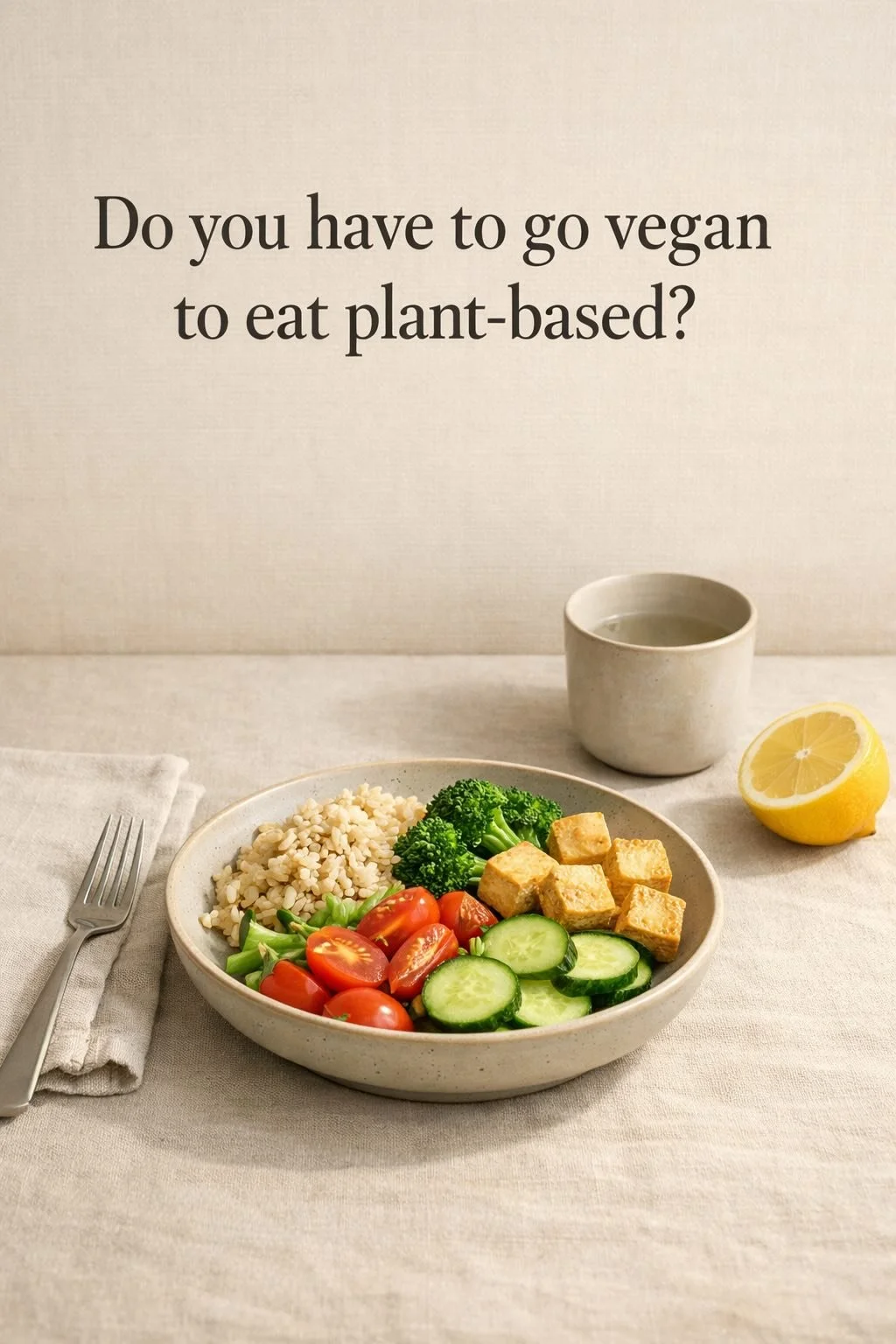
You Don’t Have to Be Vegan to Eat Plant-Based
For many people, the idea of “going vegan” feels overwhelming—or simply unnecessary. Labels come with pressure. Rules invite resistance. And perfection is usually the fastest way to give up.
Eating more plant-based foods is different.
It’s not an identity shift. It’s a habit shift.
At Tofu World, we believe the most powerful change happens quietly: one meal, one swap, one moment of curiosity at a time. You don’t need to eliminate animal products overnight (or ever). You just need to make plants the default more often.
And tofu? Tofu is one of the easiest places to start.
Start With Addition, Not Restriction
Most advice focuses on what to cut out. That’s why it fails.
Instead, begin by adding plant-based meals into your existing routine.
Try this:
One fully plant-based dinner per week
One tofu-based lunch you rotate regularly
One familiar dish re-made with plants
You’re not losing options—you’re expanding them.
Once those meals feel normal, adding another becomes effortless.
Use Familiar Dishes, Not “Vegan Food”
You don’t need new cuisines or obscure ingredients.
You need plant-based versions of food you already love.
Think:
Stir-fries
Curries
Wraps and bowls
Pasta sauces
Comfort food classics
This is where tofu shines. It doesn’t demand attention—it adapts.
Swap grilled chicken for marinated tofu in a stir-fry.
Replace mince with crumbled tofu in a spiced sauce.
Blend silken tofu into a creamy pasta base instead of cream.
Same structure. Same satisfaction. Different foundation.
Think in Roles, Not Ingredients
One reason plant-based eating feels hard is that meat is treated as the “main character”. Tofu works best when you stop asking it to imitate meat—and instead let it play a role.
Ask:
What does this dish need—protein, creaminess, crunch, or bulk?
What texture am I trying to achieve?
Where does flavour actually come from?
Tofu can be:
Crispy and savoury (pan-seared, baked, air-fried)
Soft and creamy (blended into sauces and soups)
Neutral and absorbent (marinated, then cooked properly)
Once you see tofu as a technique, not a substitute, plant-based meals stop feeling like compromises.
Keep It Flexible (Flexitarian Is Enough)
You don’t need rules like:
“No animal products at home”
“Only plant-based on weekdays”
“Vegan except for social events”
Those rules create guilt when life gets messy.
Instead, aim for direction, not discipline.
If half your meals become plant-based over time, that’s already meaningful:
Lower environmental impact
More fibre and micronutrients
Less reliance on resource-heavy foods
Progress doesn’t need applause. It just needs repetition.
Make Tofu Easy to Reach
The foods you eat most are the foods you see most.
A simple habit shift:
Keep tofu in the fridge the way others keep mince or chicken
Batch-cook one tofu dish per week
Learn just two reliable tofu methods you enjoy
When tofu becomes familiar—not special—you’ll reach for it without thinking.
Don’t Chase Perfection—Chase Comfort
Plant-based eating doesn’t succeed because it’s virtuous.
It succeeds because it becomes comfortable.
Comfort comes from:
Familiar flavours
Reliable textures
Meals that fit your lifestyle
If a dish feels awkward or unsatisfying, change the method—not the goal.
The point isn’t to eat “perfectly plant-based”.
The point is to eat in a way you’ll happily repeat.
A Kinder World, One Meal at a Time
You don’t need to announce a lifestyle change.
You don’t need to commit forever.
You don’t need permission.
Every time you choose tofu over meat—or plants over habit—you’re already part of the shift.
Not louder. Not purer.
Just gentler. And more sustainable.
That’s how real change happens. 🌱
