
Cooking With Vegan Cheese: How to Make It Consistent
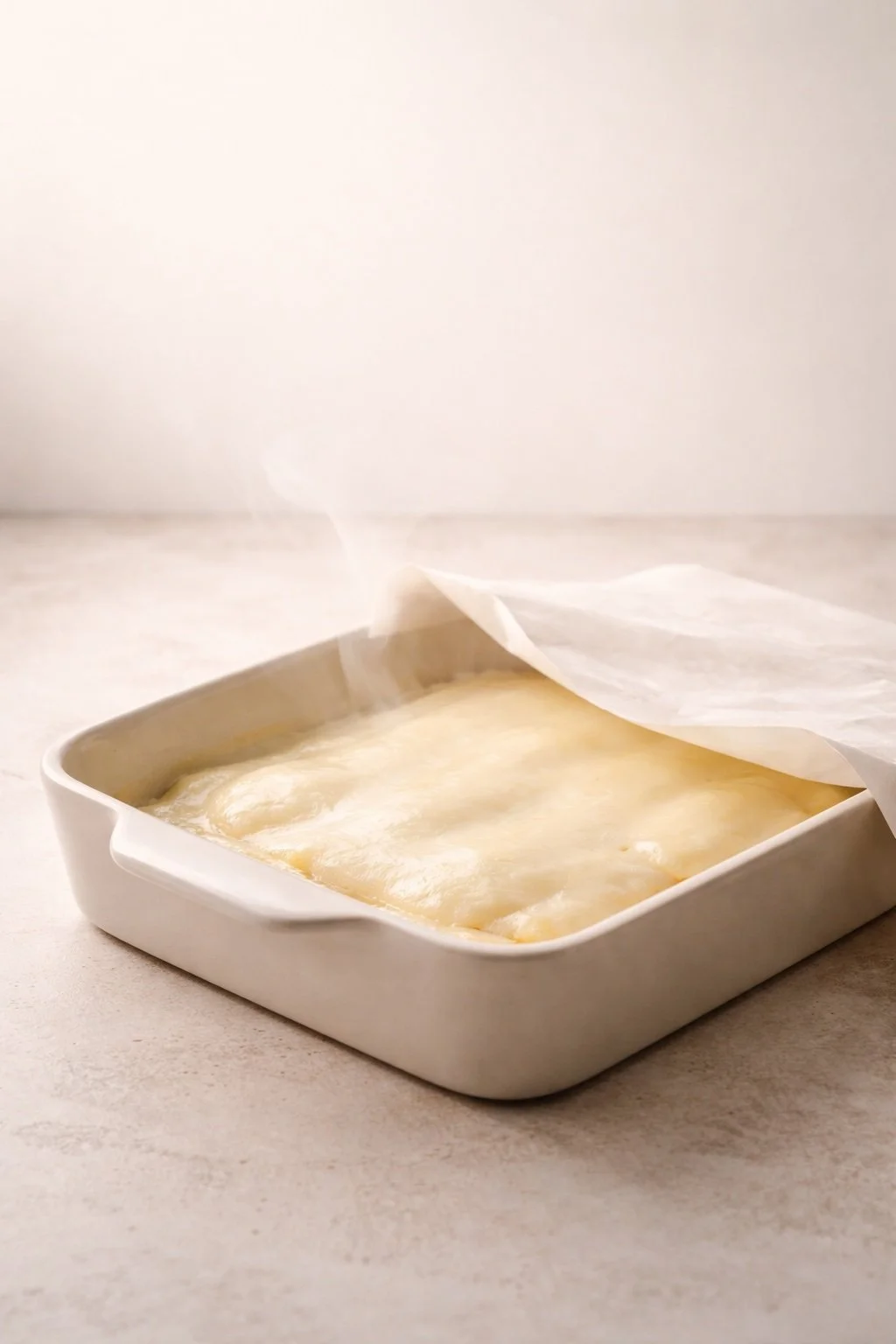
This article builds on our previous post, The Science of Vegan Cheese – Why It Melts (or Doesn’t), which explains the structural reasons behind these behaviours.
Introduction: From Understanding to Use
If you’ve read our earlier piece on why vegan cheese melts (or doesn’t), you already know the most important truth:
Vegan cheese isn’t broken.
It’s structurally different.
This article doesn’t revisit the chemistry.
Instead, it answers the only question that matters in the kitchen:
How do you cook vegan cheese so it actually works?
The key is not better brands or higher heat.
It’s learning when, where, and how vegan cheese performs best.
First Principle: Vegan Cheese Rewards Restraint
Dairy cheese forgives.
Vegan cheese is precise.
It responds well to:
short heat exposure
trapped moisture
late-stage application
It struggles with:
long, dry cooking
repeated reheating
aggressive browning
Once you accept this, everything gets easier.
When Vegan Cheese Works Best
These are the conditions where vegan cheese consistently performs well — regardless of brand.
1. Covered or Moist Environments
Think:
baked pasta under foil
casseroles with sauce
lidded dishes
Steam prevents surface drying and allows the cheese to soften evenly instead of tightening or splitting.
2. Quick, Intense Heat
Broilers and grill settings work better than long oven bakes.
Why?
the cheese heats through before moisture escapes
surface colour develops without internal collapse
This is why vegan cheese often performs better at the end of cooking, not the beginning.
3. Sandwiches and Enclosed Spaces
Grilled sandwiches, wraps, toasties:
trap heat
trap steam
limit moisture loss
These are some of the most reliable vegan cheese contexts.
When Vegan Cheese Predictably Fails
Knowing where it won’t work is just as useful.
1. Long, Uncovered Baking
Extended dry heat causes:
moisture evaporation
surface tightening
rubbery or brittle textures
This is the most common disappointment scenario.
2. Overbrowning
Dark colour doesn’t equal better melt.
Too much browning often means:
water loss
fat separation
stiffened starch networks
If colour comes before softness, stop early.
3. Reheating After Cooling
Many vegan cheeses soften once, then set.
Reheating can:
toughen texture
release oil
reduce cohesion
Plan portions accordingly.
Timing Matters More Than Temperature
One of the biggest adjustments is when you add vegan cheese.
Better:
add cheese in the final 5–10 minutes
melt separately, then combine
layer above moisture-rich ingredients
Worse:
baking cheese from raw to finish
placing it directly on dry surfaces
exposing it to full cook times
Late addition often solves problems that brand-switching never will.
Choose the Right Style for the Job
Not all vegan cheeses are meant to do the same thing.
Use firmer, nut-based cheeses for:
slicing
crumbling
cold or room-temperature dishes
Use starch-forward cheeses for:
melting
topping
saucing
Use tofu-based or fresh styles for:
warmth without collapse
structure
layered dishes
Success comes from matching function to context, not chasing universal melt.
A Note on Expectations
Vegan cheese rarely behaves like dairy — and that’s not a flaw.
It offers:
lighter mouthfeel
cleaner finishes
more predictable outcomes when understood
Once you stop pushing it to stretch like mozzarella, it becomes far less frustrating — and far more useful.
Final Takeaway: Cook With Structure, Not Force
Vegan cheese doesn’t reward intensity.
It rewards timing, moisture, and patience.
If you:
cook it briefly
protect its water
add it late
…it will do exactly what it’s designed to do.
Understanding the science gives you clarity.
Cooking within those limits gives you confidence.
When you stop asking vegan cheese to behave like dairy, it becomes far easier to work with — and far more consistent.
That’s how vegan cheese works — not by imitation, but by design. 🌱
