
Pro Tofu Techniques: Secrets for Better Tofu Cooking
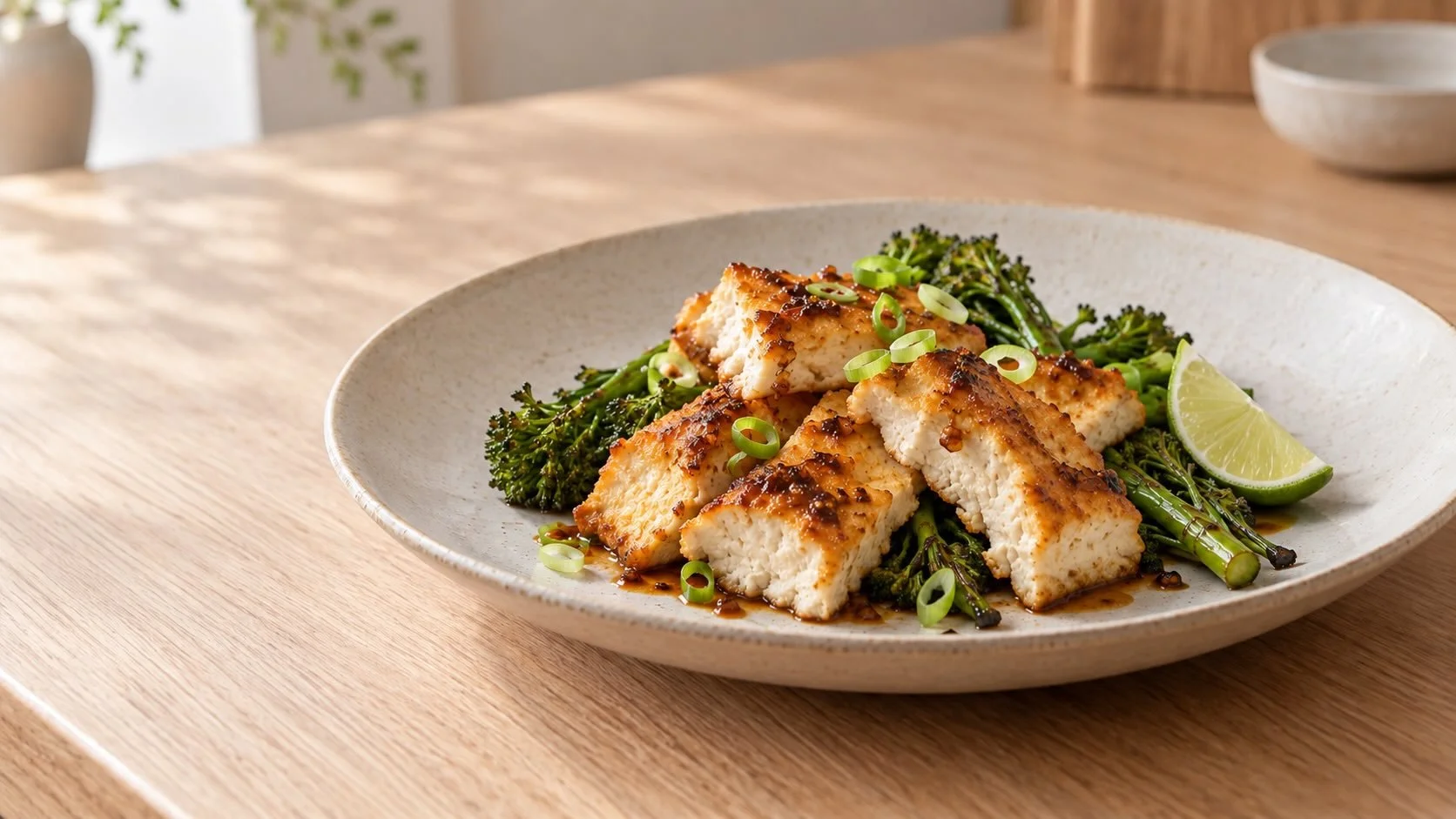
Great tofu does not depend on a magical marinade or expensive equipment. The real secret is deciding what you want the tofu to become—crisp, tender, chewy, creamy or deeply sauced—then choosing each step to support that result.
Once you stop treating every block alike, tofu becomes easier to understand. These are practical choices to combine and adapt—not rigid rules.
1. Start with the finished texture
Extra-firm tofu holds its shape well in stir-fries and on skewers, yet it can become dry when pressed heavily or cooked too long.
Firm tofu often creates a satisfying contrast when pan-fried: a browned outside with a moist, tender centre. Soft and silken tofu suit soups, sauces, dips and desserts where smoothness matters.
Instead of asking which tofu is “best”, ask what you want it to feel like when you eat it.
2. Change the shape, change the experience
Neat cubes are convenient, but they are only one possibility.
Tearing firm tofu creates irregular surfaces that catch seasoning, starch and sauce. The uneven edges develop varied browning, giving each bite both crisp and tender areas.
Slices and slabs provide broad surfaces for pan-searing, grilling, sandwiches and braising. Crumbled tofu distributes seasoning through scrambles and fillings. Very firm or smoked tofu can even be grated for salads and wraps.
Before reaching for a knife, consider how the shape will support the finished dish.
3. Remove moisture with a purpose
Pressing helps when excess water would slow browning or dilute a coating. For firm or extra-firm tofu, 10–20 minutes under moderate pressure is usually enough. Pat the surface dry afterwards.
But pressing is not compulsory. Never press silken tofu, and avoid crushing a tender block you want to keep succulent. Pre-pressed or super-firm tofu may need little more than draining.
Alternatively, pour 500 millilitres of boiling water mixed with about 10 grams of salt over torn or cut firm tofu. After 10 minutes, drain and gently dry it. This lightly seasons the tofu and prepares its surface for browning without flattening the centre.
4. Build a light crust
A little cornflour, potato starch or arrowroot can turn a dry tofu surface into a delicate crust. The goal is a thin coating, not a heavy shell.
Pat the tofu dry, season it, then toss gently with just enough starch to leave a light, even veil. Thick patches may remain powdery or become gummy when sauce is added.
Heat a lightly oiled pan before adding the tofu, then arrange the pieces in one uncrowded layer. They should sizzle promptly on contact. Leave the first side undisturbed so it can develop real colour.
If a piece still clings when you try to turn it, wait a little longer. It will usually loosen as the surface dries and the crust sets.
5. Crisp first, sauce second
Adding sauce too early often works against crispness. Water softens the surface, while sugar can darken or burn before the tofu has browned properly.
For a reliable result, crisp the tofu and transfer it to a plate. Prepare or reduce the sauce separately, then return the tofu for a brief toss. The glaze can cling without completely soaking the crust.
Use the same sequence with teriyaki, black pepper sauce, gochujang glaze or sweet chilli sauce. For maximum contrast, spoon the sauce underneath the tofu or add it immediately before serving.
6. Build flavour in layers
A long marinade is not the only path to flavour. Most seasoning remains near the surfaces, cuts and pores of an intact dense block, so one soak cannot transform the whole dish.
Instead, spread flavour across several stages:
Season the tofu before cooking.
Create browning or a textured coating.
Cook garlic, ginger, spices or chilli in the sauce.
Finish with something fresh or sharp, such as herbs, lime or rice vinegar.
These layers make every bite interesting while allowing tofu’s mild character to connect the stronger flavours.
7. Freeze only when you want transformation
Freezing and thawing tofu changes its internal structure. After the thawed block is gently squeezed, it becomes chewier and contains irregular cavities that readily hold broth or sauce.
This texture works well in curries, stews and strongly flavoured marinades. It is not an automatic upgrade, however. Skip freezing when you want the compact, creamy quality of fresh tofu.
A technique is useful because it creates the result you want—not because it must be used every time.
8. Let silken tofu become the sauce
Some of tofu’s best work happens when it no longer looks like a block. Silken tofu can be blended into creamy dressings, dips, soups, pasta sauces and chocolate desserts without dairy.
Pour away any loose packing liquid, then blend until completely smooth. Pair it with confident flavours such as citrus, cocoa, herbs, miso, fruit or roasted garlic. Add other liquids gradually so the final mixture does not become too thin.
Common mistakes that limit good tofu
Buying extra-firm tofu for every dish.
Pressing every block, regardless of its texture or purpose.
Cutting tofu the same way for every meal.
Crowding the pan and steaming the pieces.
Turning tofu before its crust has formed.
Adding a watery or sugary sauce before browning.
Freezing tofu when a tender, fresh texture would suit the dish better.
Final Takeaway
Better tofu cooking is not about collecting complicated tricks. It is about making thoughtful choices.
Choose the right texture, shape the tofu for the experience you want, manage moisture carefully, build colour before adding sauce and create flavour in layers. With that approach, tofu stops feeling like an ingredient that needs to be disguised. It becomes what it has always been: versatile, satisfying and ready to make more plant-based meals genuinely worth choosing.
