
Jackfruit Isn’t Meat — And That’s Its Greatest Strength
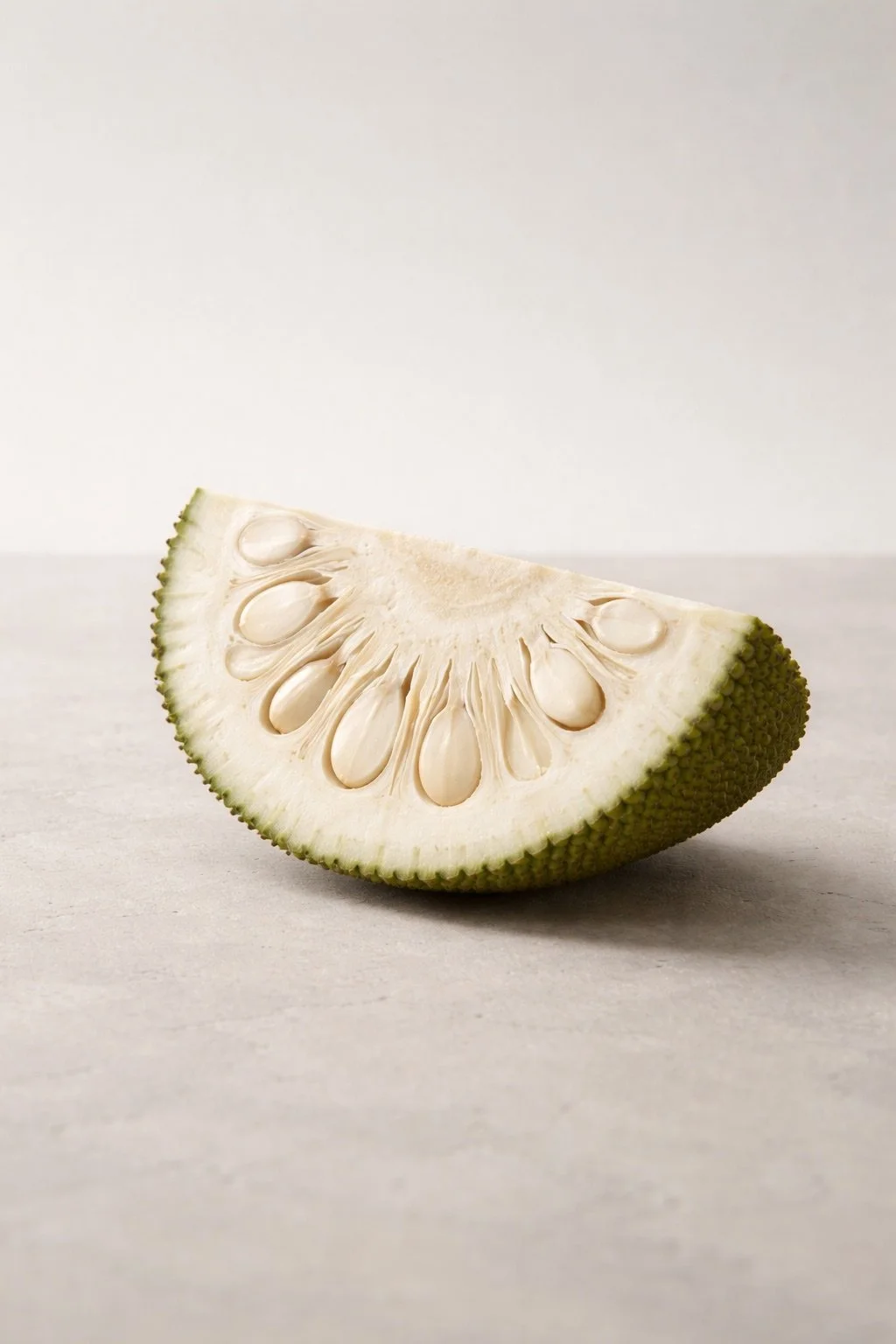
Jackfruit isn’t Meat — And That’s the Point
Somewhere along the way, jackfruit was handed a role it never auditioned for.
Pulled pork. Shredded beef. BBQ substitute.
A plant pressed into a costume, praised when it almost passes, criticised when it doesn’t.
But here’s the uncomfortable truth:
Jackfruit was never meant to behave like meat.
And the more we insist that it should, the more we misunderstand both the ingredient and the point of plant-based cooking itself.
How Jackfruit Got Here
Jackfruit didn’t rise to fame because of its flavour.
It rose because of its shape.
Young green jackfruit separates into long strands when cooked. Visually, it resembles shredded meat. For a food culture desperate for familiarity, that resemblance was enough.
The result?
Jackfruit became valuable not for what it is, but for what it could pretend to be.
This framing was convenient—but costly.
Because once jackfruit was labelled “meat-like”, it was judged by meat rules:
protein density
chew resistance
browning behaviour
savoury depth
And under those criteria, jackfruit will always fall short.
Not because it’s flawed.
But because those rules were never meant for it.
The Structural Reality of Jackfruit
Jackfruit is not a protein-forward food.
It is a high-moisture, fibre-dominant plant structure.
That matters.
Its cellular makeup prioritises:
water retention
bulk
gentle fibre separation
flavour absorption rather than generation
What it doesn’t naturally provide:
intrinsic umami
Maillard-driven browning
elastic chew
nutritional equivalence to meat
No amount of seasoning changes this.
When jackfruit is pushed into meat-shaped expectations, the result isn’t innovation—it’s disappointment dressed up with sauce.
Why “Meat Substitution” Is the Wrong Question
When people say jackfruit “doesn’t work”, what they usually mean is:
It doesn’t behave the way I expected it to.
But expectation is a design choice.
We don’t call mushrooms failures because they aren’t steak.
We don’t dismiss eggplant because it isn’t lamb.
We adjust how we cook them.
Jackfruit deserves the same respect.
The real problem isn’t jackfruit’s limitations.
It’s the assumption that every plant must justify itself by replacing meat.
That mindset shrinks the plant world instead of expanding it.
What Jackfruit Is Actually Good At
Once you stop forcing jackfruit to impersonate something else, its strengths become clear.
Jackfruit excels when:
bulk and softness are assets, not flaws
flavour is layered externally, not expected internally
moisture retention matters more than browning
texture supports a dish instead of dominating it
In other words, jackfruit shines when it’s allowed to participate, not perform.
This is not a downgrade.
It’s a recalibration.
Why This Matters Beyond Jackfruit
Jackfruit is just the loudest example of a bigger pattern.
We keep asking plants to:
mimic
replace
disguise themselves
Instead of asking:
What role does this ingredient want to play?
What does its structure suggest?
How do I cook with it, not against it?
A kinder, more sustainable food culture doesn’t come from better disguises.
It comes from a better understanding.
The Reframe
Jackfruit doesn’t fail at being meat.
It succeeds at being jackfruit.
And once we stop measuring it against the wrong standard, we open the door to something far more interesting than substitution: intentional plant cooking.
In the next part of this series, we’ll go one step further—by letting jackfruit speak for itself.
Because plants don’t need to pretend to belong on the plate.
They already do.
Up Next in the Series
I’m Jackfruit – Stop Asking Me to Be Your Meat Substitute
A deeper look at ingredient identity, cultural context, and why dignity matters in plant-based cooking.
