
Mastering Seitan: Secrets to Perfect Texture and Flavour
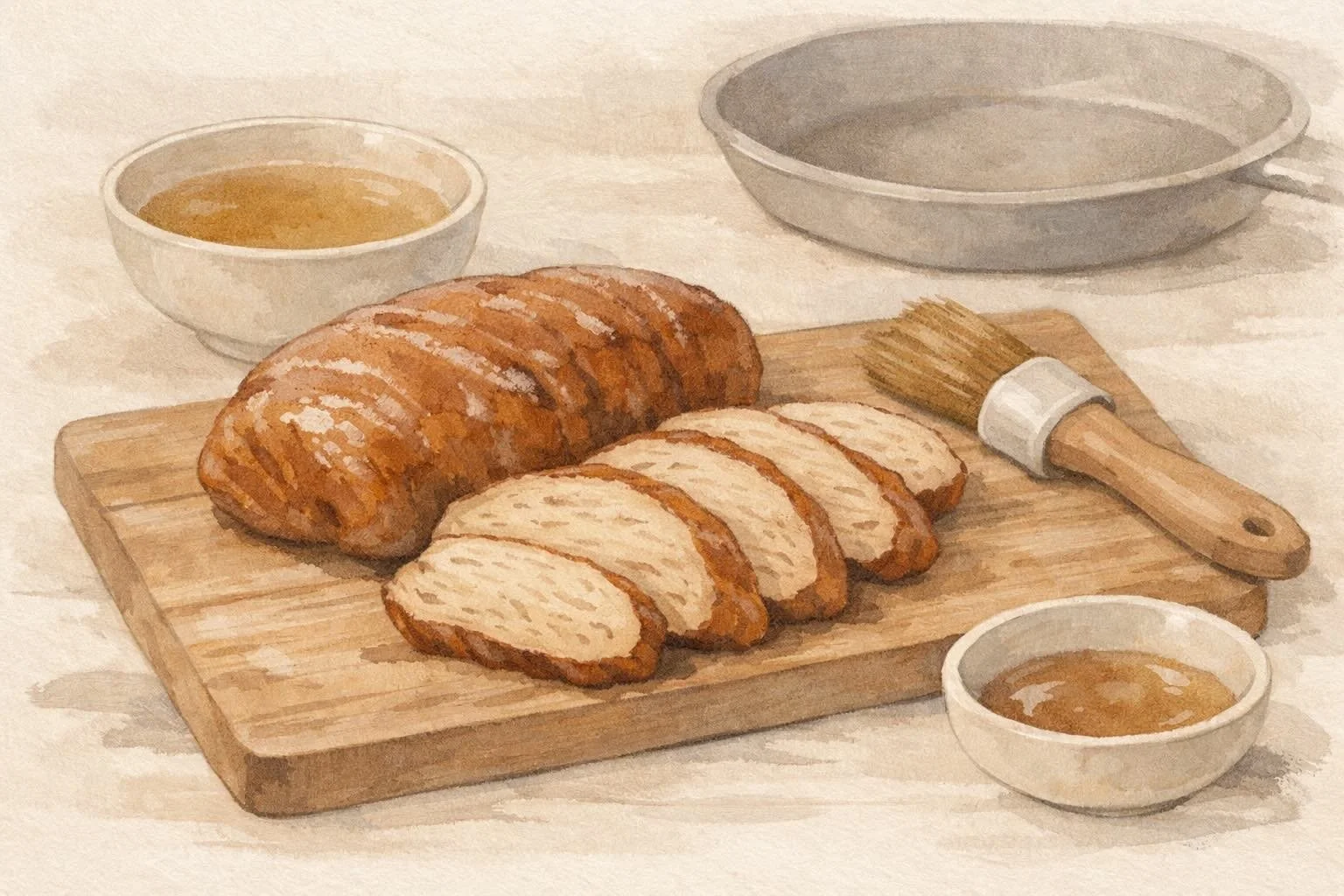
Seitan Is Not Fake Meat — It’s Dough With Rules
Most seitan failures do not come from bad ingredients. They come from a bad mental model.
Seitan is not meat, tofu, or jackfruit. It is hydrated wheat protein: a dense, elastic structure that behaves more like dough than animal muscle.
Push it too hard without purpose, and gluten tightens, snaps back, and turns chewy in all the wrong ways. Handle it with care, and it becomes satisfying, savoury, sliceable, shreddable, and useful.
Mastering seitan is about knowing what texture you want, then treating the dough accordingly.
What Is Seitan?
Long before seitan appeared on modern plant-based menus, wheat gluten was used in Chinese Buddhist cooking. Cooks washed wheat dough to remove much of the starch, leaving behind a protein-rich gluten mass known as miàn jīn (面筋), often translated as “wheat tendon” or “dough tendon.”
This tradition later influenced Japanese Buddhist and macrobiotic cooking, where the word seitan became widely known.
Wheat gluten has long been used both as a crafted ingredient and as a skilful plant-based stand-in for meat. Its power comes from how cooks shape wheat protein into something generous and filling.
Build the Structure First
Seitan is built from gluten, mainly glutenin and gliadin. When vital wheat gluten meets liquid, these proteins form a stretchy, elastic network. That network is the heart of the texture.
This is why hydration, handling, and resting matter so much.
As a general starting point, use about 120–150 mL liquid for every 100 g vital wheat gluten. This is not a fixed rule, because other ingredients affect how much liquid the dough needs.
Chickpea flour, nutritional yeast, oat flour, mushroom powder, and spices absorb extra moisture. Tofu, bean purée, oil, soy sauce, or miso tend to soften the dough and change how firm it feels.
Aim for dough that feels moist, cohesive, and pliable, but not wet or sticky. Too little liquid creates a dry, squeaky chew. Too much liquid creates a spongy, bread-like texture. If the dough looks rough at first, wait before adding more liquid. Hydration continues to even out as it rests.
Handle With Purpose
The most common seitan mistake is not simply “too much kneading”. It is using the wrong amount of handling for the result you want.
For tender cutlets, deli slices, sausages, or soft chunks, minimal handling is usually best. Mix only until no dry gluten remains, then stop. The dough should look rough, shaggy, and slightly uneven.
For shreddy, fibrous seitan, more handling can help. Firmer kneading, stretching, folding, twisting, or loose knotting can align the gluten so the cooked seitan tears into longer strands.
Less handling gives a softer, more uniform bite. More handling gives a firmer, chewier, more fibrous bite. Neither is automatically wrong. The key is intention.
Rest Before Cooking
Whatever texture you're aiming for, give the dough time to relax before cooking.
Resting is not a small detail. It is structural.
After mixing, the gluten network needs time to relax. This reduces snap-back, makes shaping easier, and softens the final chew.
Rest for at least 15 minutes. For better texture, rest for 30–40 minutes.
If the dough fights back when you shape it, it is not ready. Let it rest longer. A rested dough should stretch more easily and feel less tense in your hands.
Cook Gently, Then Let It Set
Cooking does not deeply season seitan. Its main job is to set the protein network.
Do not boil seitan. A rolling boil agitates the dough and encourages rapid expansion inside the gluten structure, often creating a spongy, swollen, brain-like texture.
Better methods include steaming, gentle simmering, covered baking with moisture, or baking after steaming or simmering. If simmering, keep the liquid barely moving.
Freshly cooked seitan can feel softer, wetter, or bouncier than it will later become. Let it cool, then refrigerate it for several hours or overnight when possible. During this time, the structure settles, moisture redistributes, and the texture becomes cleaner and firmer.
Cook seitan ahead of time, chill it, then finish it later by searing, glazing, roasting, or braising.
Build Flavour in Layers
Seitan is dense and low in permeability, so strong broth or long marinating will not deeply flavour the centre. A cooking broth can add background savouriness and protect the surface, but it should not carry the whole dish.
Start with moderate seasoning inside the dough: soy sauce, miso, nutritional yeast, mushroom powder, garlic powder, onion powder, smoked paprika, black pepper, or a little tomato paste. A little salt helps flavour the dough and can make the gluten feel more cohesive, but avoid making the dough aggressively salty.
Use strongly acidic ingredients, such as vinegar or lemon juice, more sparingly inside the dough, as too much can soften the gluten structure. They are often better added later in glazes, sauces, or finishing touches.
After the seitan is cooked and rested, build flavour through slicing, shredding, searing, glazing, braising, sauce reduction, and finishing with herbs, chilli oil, vinegar, lemon, mustard, or toasted sesame oil.
Sliced or torn seitan has more surface area, which means more browning, more sauce cling, and more flavour where your tongue detects it.
Helpful Ingredients
Modern seitan recipes often include more than vital wheat gluten. Chickpea flour softens the chew. Nutritional yeast adds savoury depth. Tofu or bean purée adds moisture and tenderness. Oil gives richness and reduces dryness. Starch can soften the bite, although too much may turn pasty. Mushroom powder adds umami without much extra moisture.
Legume-based ingredients also complement wheat gluten nutritionally, because wheat protein is naturally lower in lysine.
Use these ingredients with purpose. If your seitan is too rubbery, add a softening ingredient. If it is too loose, reduce moisture or increase gluten slightly.
Common Seitan Problems
Rubbery? It was probably mixed too much for the texture you wanted, too dry, shaped too tightly, or cooked too aggressively.
Spongy? It may have been boiled, overhydrated, or cooked in liquid that was too hot.
Bland? Add more internal seasoning next time and finish with searing, glazing, or sauce reduction.
Falling apart? The dough may be too wet, under-mixed, or not rested enough before shaping.
Soft after cooking? Chill it before judging.
Storage and Reheating
Cooked seitan keeps well in the fridge for several days. Store it covered with a little cooking liquid or sauce to prevent drying.
For longer storage, freeze it in portions, thaw in the fridge, then reheat gently before searing or glazing.
Final Takeaway 🌱
Use enough water, handle the dough according to the texture you want, rest it, cook it gently, let it set, and build flavour in layers.
When you treat seitan like dough with rules, texture and flavour fall into place — naturally, kindly, and deliciously.
