
The Role of Temperature in Taste – How It Shapes Flavour
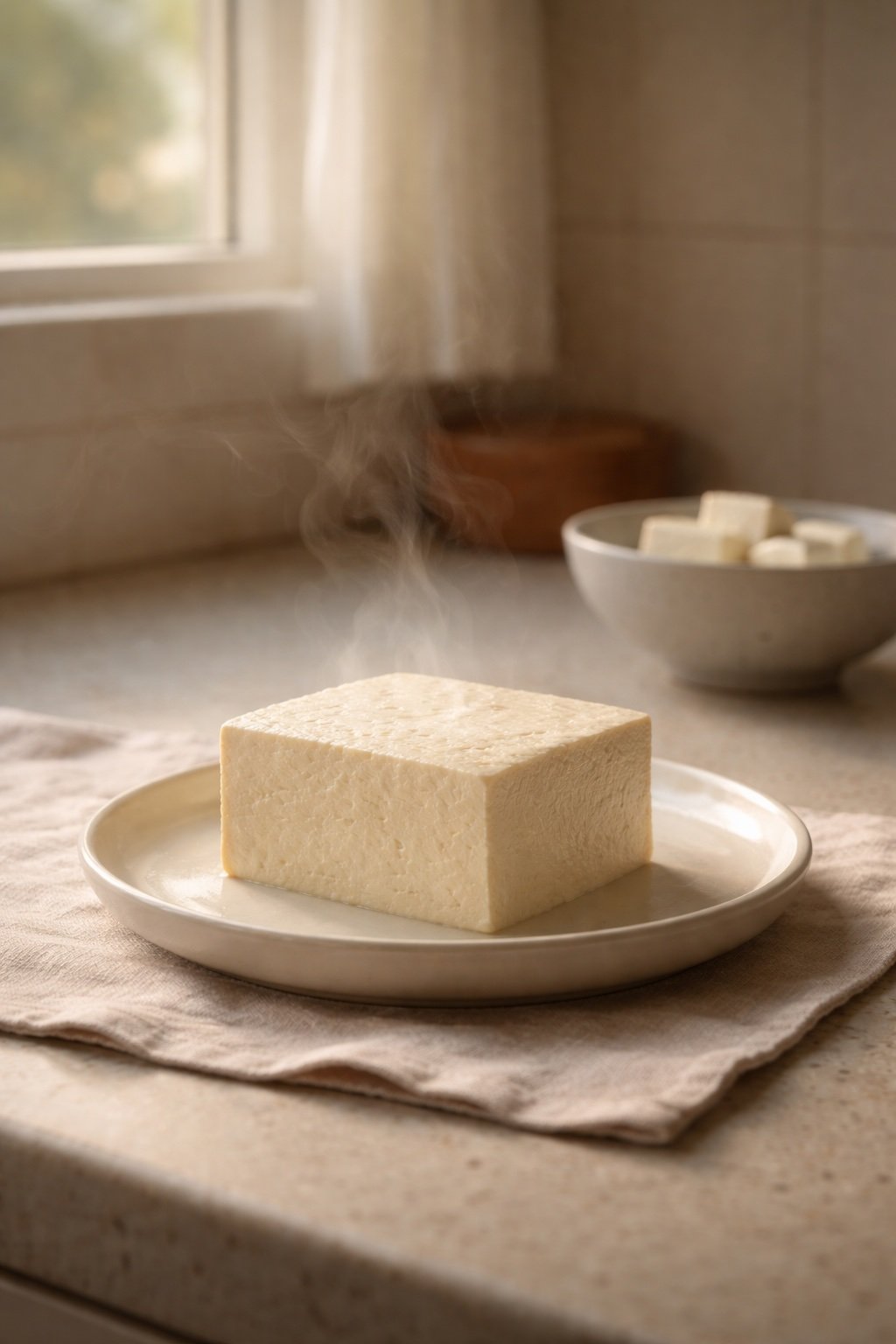
Flavour Isn’t Fixed—It’s Temperature-Dependent
We often talk about flavour as if it’s locked inside an ingredient. But flavour is not static. It’s something that emerges—and temperature is one of its most powerful triggers.
From the sweetness of a warm dessert to the sharpness of a chilled sauce, temperature quietly rewires how your senses interpret food. For tofu, a food often misjudged as bland, understanding temperature can be transformative. The same block of tofu can taste muted, savoury, sweet, aromatic, or comforting—depending on how hot or cold it is when you eat it.
At Tofu World, we see temperature not as a technical detail, but as a flavour dial.
How Temperature Changes What You Taste
1. Heat Amplifies Aroma (And Aroma Is Flavour)
While the tongue detects salty, sour, sweet, bitter, and umami, most of what we perceive as flavour comes from aroma. When food is warm, volatile aroma compounds evaporate more readily and travel up to your olfactory receptors.
Warm dishes smell more intensely
Aromas reach your nose faster
Flavours feel fuller and rounder
This is why hot miso broth feels comforting and savoury, while the same broth served cold can feel flat or unbalanced.
For tofu:
Heating doesn’t just warm the protein—it activates whatever flavour system surrounds it. Garlic, ginger, sesame oil, spices, and fermented sauces all become more expressive with heat.
2. Cold Mutes Aroma but Sharpens Structure
Cold temperatures suppress aroma release. Fewer volatile compounds evaporate, which means less smell—and therefore less perceived flavour.
But something else happens: structure becomes clearer.
Sweetness feels cleaner
Acidity feels sharper
Texture becomes more noticeable
This is why chilled silken tofu with soy sauce feels refreshing rather than savoury-heavy, and why cold desserts rely on sugar and aroma to compensate for muted smell.
For tofu:
Cold tofu isn’t bland—it’s quiet. It asks for clarity: clean soy flavour, gentle salt, light acidity, or subtle sweetness.
3. Temperature Changes: How Taste Buds Respond
Your taste receptors themselves are temperature-sensitive.
Sweetness is perceived more strongly at warmer temperatures
Bitterness is more noticeable when the food cools
Saltiness peaks at moderate warmth
Umami feels rounder and more lingering when warm
This explains why a room-temperature dish can taste perfectly seasoned, but feel under-salted straight from the fridge.
For tofu:
A tofu dish tasted cold may need more seasoning—not because the recipe is wrong, but because temperature has shifted perception.
Texture: Where Temperature and Tofu Truly Meet
Tofu is a protein gel. Its texture is not fixed—it responds to temperature changes in subtle but important ways.
Warm Tofu
Proteins relax slightly
Texture feels softer and more yielding
Sauces cling more evenly
Mouthfeel becomes comforting and cohesive
Cold Tofu
Gel structure tightens
Texture feels firmer and cleaner
Surface contrast becomes more noticeable
Flavours feel sharper and more defined
This is why silken tofu works both in warm savoury dishes and chilled desserts—but delivers a completely different experience in each.
The Hidden Power Move: Heating, Then Cooling
One of the most misunderstood aspects of tofu cooking is when flavour actually enters the tofu.
Heating tofu in a seasoned liquid often pushes water out of the protein network. As the tofu cools, pressure equalises—and that’s when flavour is gently drawn back in.
This is why:
Simmered tofu tastes better after resting
Chilled tofu that cooled in broth tastes more seasoned
“Over-simmered” tofu often improves after cooling
Temperature change isn’t just about serving—it’s about flavour timing.
Practical Temperature Strategies for Better Tofu
When to Serve Tofu Hot
Stir-fries and braises
Dishes relying on aroma (ginger, spice, fermented sauces)
Comfort-focused meals
Why: Heat maximises aroma, umami, and richness.
When to Serve Tofu Cold or Cool
Silken tofu with soy sauce or chilli oil
Desserts and custard-style preparations
Summer dishes and appetisers
Why: Cold highlights texture, clarity, and balance.
When to Use Contrast
Warm tofu with a cool sauce
Chilled tofu with hot oil poured over
Hot dishes finished with a cold garnish
Why: Contrast wakes up the palate and adds complexity without extra ingredients.
Temperature Is a Tool, Not a Setting
Most recipes treat temperature as a binary choice: hot or cold. But great cooking lives in the transitions.
Tofu rewards cooks who think beyond “cook time” and start thinking in thermal phases:
Heating to activate the aroma
Resting to stabilise the structure
Cooling to draw in flavour
Reheating gently to serve
This is where tofu stops being “bland” and starts behaving like the sophisticated ingredient it truly is.
Final Takeaway: Listen to the Quiet Signals
Tofu doesn’t shout. It responds.
Temperature is one of the quietest yet most powerful ways to shape flavour—no extra seasoning, no added fat, no complicated techniques. Just understanding how warmth and coolness guide the senses.
If we slow down and listen, tofu teaches us something bigger than cooking:
That flavour isn’t always about adding more.
Sometimes, it’s about changing the conditions and letting what’s already there speak.
Let’s keep learning to listen—one degree at a time. 🌱✨
