
The Fifth Element: Why Texture Makes Snacks Irresistible
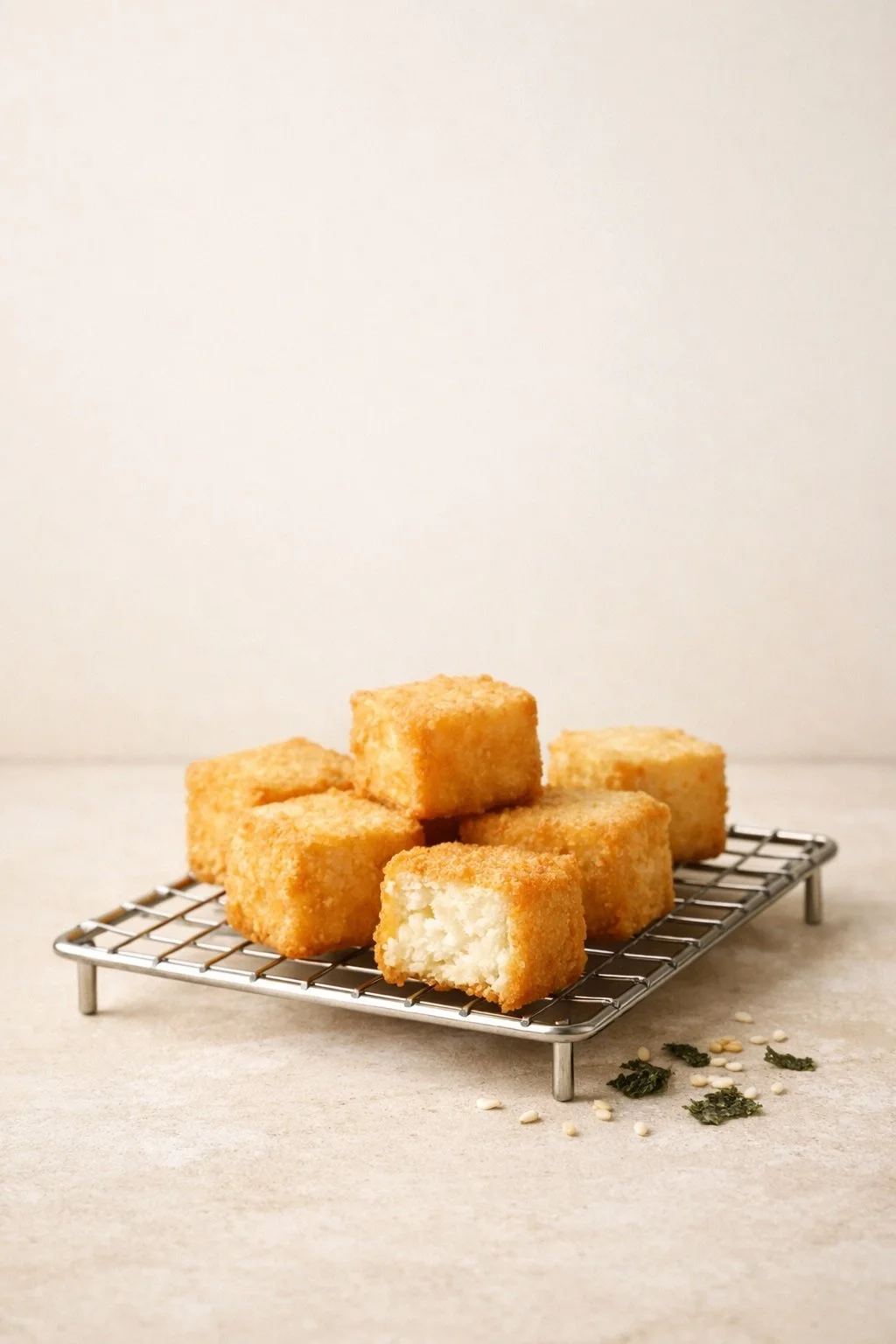
Series: Tofu Snack Flavour Architecture
Exploring the science of seasoning, texture, and balance behind craveable tofu snacks.
Articles in this series
• Seaweed, Soy and Spice: Flavours for Modern Tofu Snacks
• The Missing Ingredient in Great Snacks: Why Acid Matters
• The Fifth Element: Why Texture Makes Snacks Irresistible
Salt brings satisfaction.
Spice adds excitement.
Umami creates depth.
Acidity provides brightness.
Together, these elements build the flavour foundation of a great snack.
But one final factor often determines whether a snack becomes truly irresistible:
texture.
The moment a crisp snack breaks between the teeth, something remarkable happens. Sound, structure, and flavour combine into a multi-sensory experience that feels deeply satisfying.
For tofu snacks, mastering texture can transform a simple ingredient into something surprisingly addictive.
The Multi-Sensory Experience of Crunch
Eating is not only about taste.
It is a multi-sensory process involving:
taste
aroma
touch
sound
When a crisp food fractures, it produces tiny acoustic signals — the familiar crunch.
These sounds reinforce our perception of freshness and quality.
In fact, studies in food science show that when crunch sounds are amplified, people often perceive food as crisper and more enjoyable, even if the texture itself has not changed.
The brain interprets sound as part of flavour.
Why Humans Love Crisp Foods
Crisp textures trigger several sensory rewards.
They signal that food is:
fresh
properly cooked
structurally satisfying
Soft or soggy snacks often feel incomplete. Crispness provides contrast and energy that keeps eating interesting.
This is why some of the most popular snacks worldwide share a common trait:
they crack, snap, or shatter.
Think of:
potato crisps
tempura vegetables
roasted chickpeas
tortilla chips
Each delivers a satisfying fracture when bitten.
The Unique Texture Potential of Tofu
Tofu begins as a protein-water gel matrix formed when soy proteins coagulate.
In its fresh form, tofu is soft and delicate.
But when heat removes moisture, the structure changes dramatically.
Depending on the cooking technique, tofu can develop:
a thin crisp shell
a tender interior
This contrast is particularly appealing because it combines two textures in one bite.
The crisp exterior creates the first sensory impact, while the softer centre adds richness and balance.
Creating Crisp Tofu Snacks
Achieving crisp tofu is largely a matter of moisture control and surface structure.
Several techniques help create the ideal texture.
Removing Surface Moisture
Pressing or patting tofu dry reduces surface water.
This allows the temperature of the tofu surface to rise above the boiling point of water, enabling browning and crispness.
Using Light Starch Coatings
A thin dusting of starch — such as rice flour or cornflour — helps create a delicate crust.
As the starch gelatinises and dries during cooking, it forms a brittle outer layer that fractures easily.
High Heat Cooking
Air frying, baking, or shallow frying at higher temperatures rapidly evaporates moisture and creates a crisp shell.
The goal is not deep frying but controlled dehydration.
Texture Contrast: The Secret to Snack Satisfaction
Many of the best snacks combine multiple textures in a single bite.
For tofu snacks, this might include:
crispy tofu cubes
toasted sesame seeds
crushed seaweed flakes
Each element adds a slightly different texture.
These contrasts create small bursts of sensory variation that keep the palate engaged.
Instead of becoming repetitive, each bite feels slightly new.
The Sound of Freshness
The acoustic quality of crisp foods plays an important psychological role.
A clear crack or crunch signals that a snack is:
fresh
properly cooked
satisfying
This is why freshly cooked snacks often feel dramatically better than those that have softened with time.
Maintaining crispness is therefore not just a cooking technique — it is part of the entire snack experience.
Texture and the Future of Tofu Snacks
Many plant-based snacks focus heavily on flavour.
But texture is equally important.
Tofu is uniquely suited to texture innovation because its protein gel structure responds dramatically to heat and moisture changes.
With careful cooking, tofu can become:
airy and crisp
golden and crackling
light yet satisfying
This makes it an ideal foundation for modern snacks that prioritise both flavour and sensory experience.
Final Takeaway: The Power of Structure
Great snacks are rarely defined by flavour alone.
They succeed because multiple elements work together.
Salt brings balance.
Spice adds character.
Umami deepens flavour.
Acidity provides brightness.
And texture delivers the final spark — the satisfying crack that transforms a simple bite into a memorable experience.
When flavour and structure align, tofu becomes more than an ingredient.
It becomes a snack worth reaching for again and again. 🌱
