
Tofu and Lupin Protein: Nutrition, Safety, and Flavour
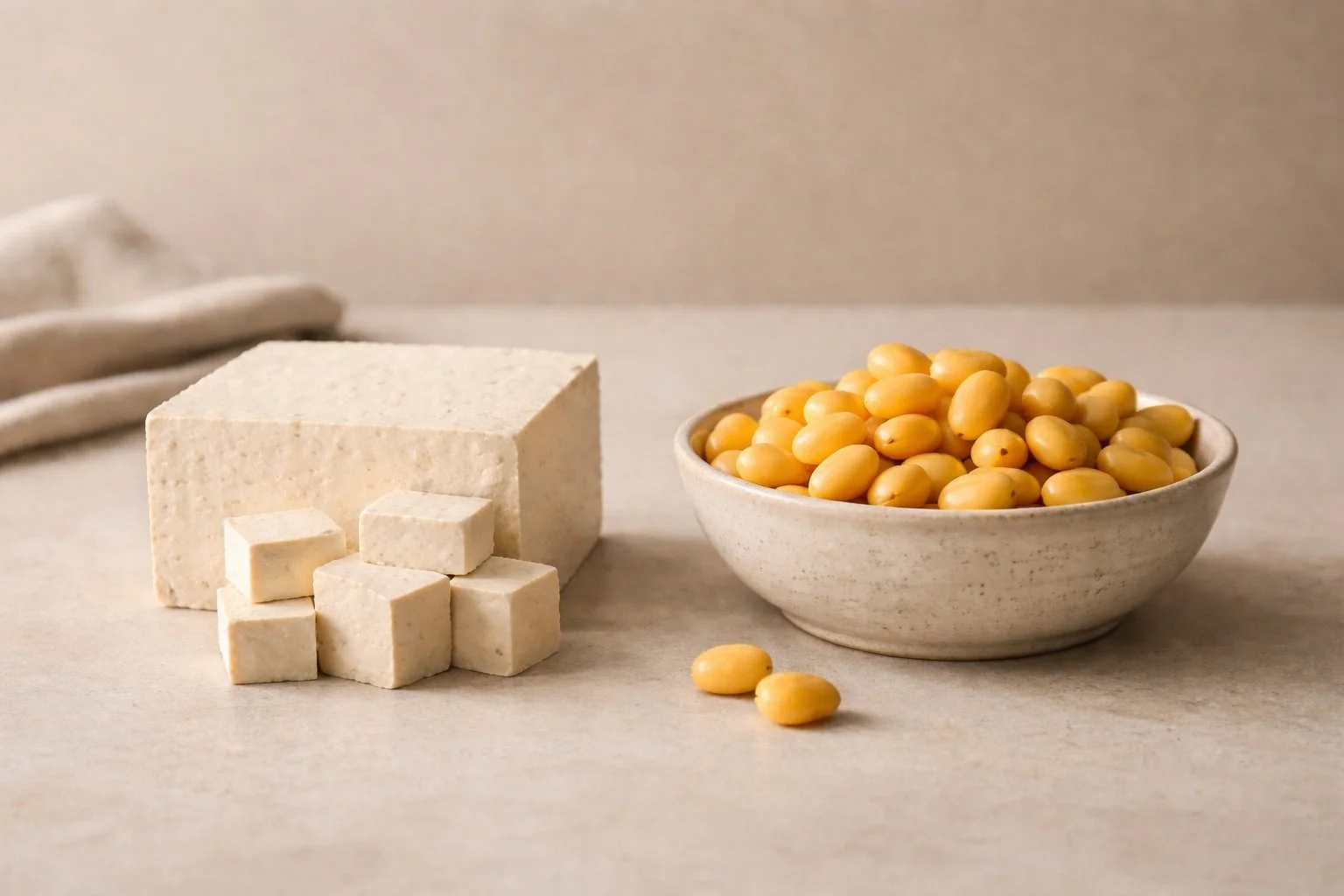
Introduction: Two Proteins, Two Philosophies
In the evolving world of plant-based eating, not all proteins play the same role. Tofu represents balance and adaptability—a neutral, complete protein that integrates quietly into countless cuisines. Lupin protein, by contrast, is bold and functional: highly concentrated, fibrous, and increasingly visible in high-protein foods.
Together, they reveal an important truth at Tofu World: plant-based proteins aren’t interchangeable. They’re complementary systems—each bringing distinct nutritional, sensory, and practical strengths.
Nutritional Architecture: Balance vs Density
Tofu: The Complete Protein Base
Tofu is made by coagulating soy milk into a hydrated protein gel. Nutritionally, it offers:
Complete protein containing all nine essential amino acids
Moderate protein density (≈8–15g per 100g, depending on firmness)
Naturally low saturated fat
Calcium richness when set with mineral coagulants
Soy isoflavones are linked to cardiovascular and metabolic health
Its value lies not in extremes, but in nutritional steadiness—making tofu suitable for daily, habitual eating.
Lupin Protein: Concentrated and Functional
Lupin protein is derived from sweet lupin beans, typically milled into flour or isolated into protein concentrates.
Key characteristics include:
Very high protein density (often 35–45g per 100g)
High dietary fibre, especially insoluble fibre
Naturally gluten-free
Low starch and low glycaemic impact
Unlike tofu, lupin is not about subtlety—it is designed to add structure, chew, and protein load.
Why They Work Together
Paired together, tofu provides amino acid completeness and moisture, while lupin adds body, fibre, and satiety. Nutritionally, this creates a balanced protein system rather than a single dominant ingredient.
Safety & Tolerance: What Matters, What Doesn’t
Soy: Familiar and Well-Studied
Soy is one of the most researched plant foods globally. While it is a known allergen, soy intolerance remains relatively uncommon at a population level. Modern consensus supports soy’s safety for most people, including regular consumption.
Lupin: Less Known, More Specific
Lupin requires more nuance. While widely consumed in parts of Europe and Australia, lupin is a recognised allergen, particularly for individuals with peanut allergies due to protein cross-reactivity.
Important considerations:
Mandatory allergen labelling in Australia and the EU
Not suitable for all consumers
Generally well tolerated by non-allergic individuals
For brands and home cooks alike, transparency—not avoidance—is the key principle.
Flavour Physics: Neutral vs Assertive
Tofu’s Quiet Strength
Tofu’s flavour is famously mild. Rather than absorbing marinades deeply, it carries flavour through surface interactions—browning, glazing, and seasoning.
Its neutrality allows it to act as a canvas for:
Umami-rich sauces
Spices and aromatics
Broths and dressings
Lupin’s Earthy Edge
Lupin protein has a distinct legume bitterness and grainy aroma when untreated. Processing methods—soaking, fermenting, or blending—can soften this, but lupin will always assert itself more strongly than tofu.
Used thoughtfully, this earthiness becomes an asset rather than a flaw.
Texture & Culinary Function
Tofu: Gel Structure and Moisture
Tofu’s gel matrix retains water, giving it softness, bounce, and custard-to-meaty variability depending on firmness. It excels in:
Stir-fries
Braises
Silken sauces and desserts
Gentle grilling and pan-searing
Lupin: Fibre and Bite
Lupin contributes chew and density. In cooking, it functions well as:
A binder in patties or dumplings
A protein booster in doughs or batters
A textural counterpoint to soft foods
The Sweet Spot
When combined, tofu buffers lupin’s density, while lupin reinforces tofu’s structure. The result is food that feels substantial without being heavy.
Sustainability Snapshot
Both proteins score highly on sustainability metrics:
Nitrogen-fixing crops reduce fertiliser needs
Low land and water footprints compared to animal protein
Well-suited to regenerative farming systems
Lupin’s ability to grow in poor soils complements soy’s global infrastructure, offering resilience rather than competition.
How to Use Them Together
Practical pairings include:
Tofu-lupin patties for burgers or wraps
Crumbled tofu folded with lupin flour for savoury mince
Silken tofu blended with lupin protein for creamy, high-protein sauces
The key is ratio—using lupin to support tofu, not overwhelm it.
Final Takeaway: Protein With Purpose
Tofu and lupin protein don’t compete—they collaborate. One offers calm, nourishment, and familiarity. The other brings strength, fibre, and structure. Together, they remind us that plant-based eating isn’t about replacing one thing with another—it’s about designing meals that work with the body, the planet, and the palate.
At Tofu World, that’s the future we’re building—one thoughtful pairing at a time. 🌱✨
