
The 10 Most Common Tofu Mistakes (And How to Fix Them)
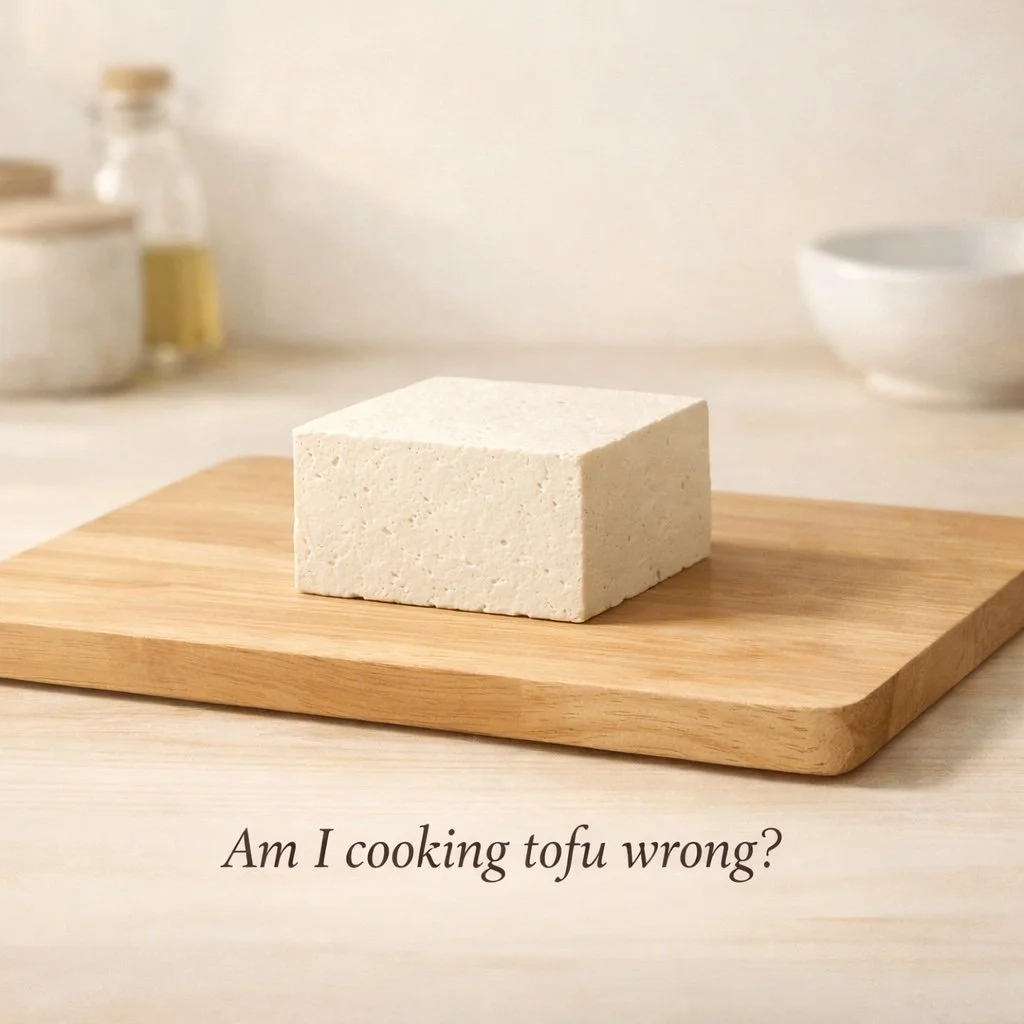
Why Tofu So Often Gets a Bad Reputation
Tofu is one of the most misunderstood ingredients in the modern kitchen. When it is bad, it can be watery, bland, rubbery, broken, or strangely spongy. But that reputation does not come from tofu itself. It comes from treating tofu like something it is not.
Tofu is not meat.
It is not a dry sponge.
And it is not one single ingredient.
Tofu is a soy protein gel with water, structure, and its own cooking behaviour. Most tofu problems come down to four things: choosing the right structure, managing moisture, using heat well, and building flavour with intention.
Once you understand those four ideas, tofu becomes much easier to cook. It can be crisp without drying out, tender without collapsing, and deeply satisfying without pretending to be anything else.
Let’s fix the ten mistakes that sabotage tofu most often.
1. Using the Wrong Type of Tofu
The mistake:
Assuming all tofu behaves the same.
Why it fails:
Silken tofu is delicate, smooth, and custard-like. Firm and extra-firm tofu are stronger, more structured gels. Tofu puffs, dried bean curd, smoked tofu, and frozen tofu behave differently again.
Choosing the wrong tofu is like choosing the wrong pasta shape for a sauce. Good cooking helps, but it cannot fully overcome the wrong starting texture.
Fix it:
Use silken tofu for soups, sauces, desserts, dressings, and gentle braises. Use firm or extra-firm tofu for pan-frying, baking, grilling, stir-fries, and skewers. Use tofu puffs when you want sauce-holding pockets, and dried bean curd when you want chew.
Start with the right structure, and half your problems disappear.
2. Over-Pressing, or Pressing When You Do Not Need To
The mistake:
Crushing tofu under heavy weights “just in case”.
Why it fails:
Pressing removes loose water, but it also compresses the tofu. Done too aggressively, it can make tofu dense, dry, or rubbery. Pressing is about managing moisture, not automatically making tofu better.
Fix it:
Press firm or extra-firm tofu when you want better browning, less splatter, firmer edges, or a crisp surface. Skip pressing for soups, braises, mapo-style dishes, soft tofu dishes, and anything where tenderness matters.
For many dishes, a brief hot salt-water soak can be more useful than heavy pressing. It seasons the tofu, firms the surface slightly, and helps it hold together without drying it out.
3. Expecting Tofu to Absorb Marinade Like a Sponge
The mistake:
Drowning tofu in marinade and hoping flavour will soak deep inside.
Why it fails:
Fresh tofu already contains a lot of water. Liquid marinades mostly season the surface, not the centre. Long soaking often gives you wet tofu, not flavourful tofu.
Fix it:
Think surface flavour, not deep absorption. Cut tofu into cubes, slabs, triangles, or scored pieces to create more surface area. Use thicker marinades, pastes, reductions, glazes, and sauces that cling.
Frozen and thawed tofu is the exception. Freezing changes the structure, leaving small channels that allow sauces and broths to move deeper into the tofu. Use it when you want a chewier, more absorbent texture.
Tofu becomes flavourful not because it soaked for hours, but because seasoning, heat, fat, surface area, and reduction work together.
4. Skipping Salt Until the End
The mistake:
Relying only on sauce for seasoning.
Why it fails:
A bold sauce can sit beautifully on the outside while the tofu inside still tastes flat. Salt does not just make tofu salty; used well, it helps the whole dish taste more complete.
Fix it:
Salt lightly before cooking, or brine briefly in hot salted water before frying, baking, or saucing. The exact amount does not need to be perfect. The goal is gentle seasoning and better texture, not aggressively salty tofu.
Salt seasons the tofu and can also help the surface behave better during cooking.
5. Crowding the Pan
The mistake:
Cooking too much tofu at once.
Why it fails:
Crowding traps steam. Steam keeps the surface wet. A wet surface cannot brown properly. That is why crowded tofu often turns pale and soft instead of golden and savoury.
Fix it:
Cook in batches. Leave space between pieces. Let the first side brown before stirring.
Listen to the pan. A lively sizzle means moisture is escaping. If the pan goes quiet and steamy, the tofu is likely crowded or the heat has dropped.
Browning begins only after surface moisture has cooked away. Golden tofu needs space, heat, and patience.
6. Moving Tofu Too Early
The mistake:
Poking, flipping, and fussing constantly.
Why it fails:
Tofu often sticks before it browns. Once a crust forms, it releases more easily from the pan. Moving it too soon tears the surface before it has a chance to set.
Fix it:
Preheat the pan properly. A properly heated pan often solves sticking before the tofu even goes in. Use medium-high heat and enough oil to lightly coat the cooking surface. Place the tofu down, then leave it alone until it releases cleanly.
If it sticks, it is usually not ready yet.
7. Using Too Much Oil, or the Wrong Kind
The mistake:
Drowning tofu in oil to “help” it brown.
Why it fails:
Too much oil can make tofu greasy without making it more flavourful. It can also reduce direct contact with the pan, slowing browning instead of improving it.
Fix it:
Use just enough neutral oil to coat the pan for high-heat cooking. Let heat and contact do the real work. Save strongly flavoured oils, such as toasted sesame oil, for finishing after cooking.
If your goal is maximum crispness, a light coating of cornstarch or potato starch is usually more effective than adding extra oil. Cornstarch creates a thinner, lighter crust, while potato starch often produces a slightly thicker, glassier crunch. Both help absorb surface moisture before browning begins.
Oil is a tool, not a solution.
8. Cooking Every Shape the Same Way
The mistake:
Using one method for every tofu dish.
Why it fails:
Tofu changes depending on size, thickness, moisture, and firmness. Small cubes create more browned edges. Thin slices cook quickly and lose moisture fast. Thick slabs stay moister inside but need more time for heat to reach the centre. Soft tofu collapses if treated like firm tofu.
Fix it:
Use thin slices for quick pan-frying. Use cubes for baking, stir-frying, and saucy dishes. Use large slabs for roasting, grilling, or steak-style preparations. Simmer soft tofu gently in liquid instead of tossing it aggressively.
After frying or baking, avoid piling hot tofu straight onto a plate. Rest it on a rack if you want the crust to stay crisp, because trapped steam softens the surface.
Match the cooking method to the texture you want: crisp, tender, chewy, silky, or sauce-soaked.
9. Expecting Tofu to Taste Like Meat
The mistake:
Judging tofu only by meat standards.
Why it fails:
Tofu can be hearty, savoury, chewy, crisp, smoky, or deeply umami-rich, but it does not need to pretend to be meat to be satisfying. Its strength is balance: it carries flavour while keeping a clean, gentle finish.
Fix it:
Pair tofu with contrast. Use acid, chilli, herbs, crunch, fermented sauces, browned aromatics, or rich glazes. Let tofu support flavour rather than compete with it.
Freedom begins when tofu stops pretending.
10. Giving Up After One Bad Experience
The mistake:
Writing tofu off forever.
Why it fails:
Most people meet tofu through one disappointing dish: under-seasoned, badly drained, overcooked, or cooked the wrong way for its texture. That does not mean tofu failed. It means the method did.
Fix it:
Change one variable at a time. Try firm tofu pan-fried until golden. Try extra-firm tofu baked with a glaze. Try silken tofu in soup or dessert. Try tofu puffs in curry or noodle broth.
Learn the logic, not just the recipe. Once you understand how tofu responds to structure, moisture, heat, and flavour, you can cook almost any style of tofu with confidence.
The Real Truth About Tofu
Tofu is not difficult.
It is precise.
It asks you to notice what kind of tofu you are using, how much moisture is present, how heat moves through it, and where flavour can attach. When those things work together, tofu becomes crisp without drying out, tender without collapsing, and deeply satisfying without pretending to be something else.
Every mistake above has a simple fix. And every fix brings you closer to seeing tofu not as a problem to solve, but as a partner in the kitchen.
Final Takeaway
Tofu rewards patience, intention, and respect. Once you stop fighting it and start understanding how it behaves, tofu does not just work — it shines. 🌱
