
How to Make Any Tofu Dish Taste Amazing (Without a Recipe)
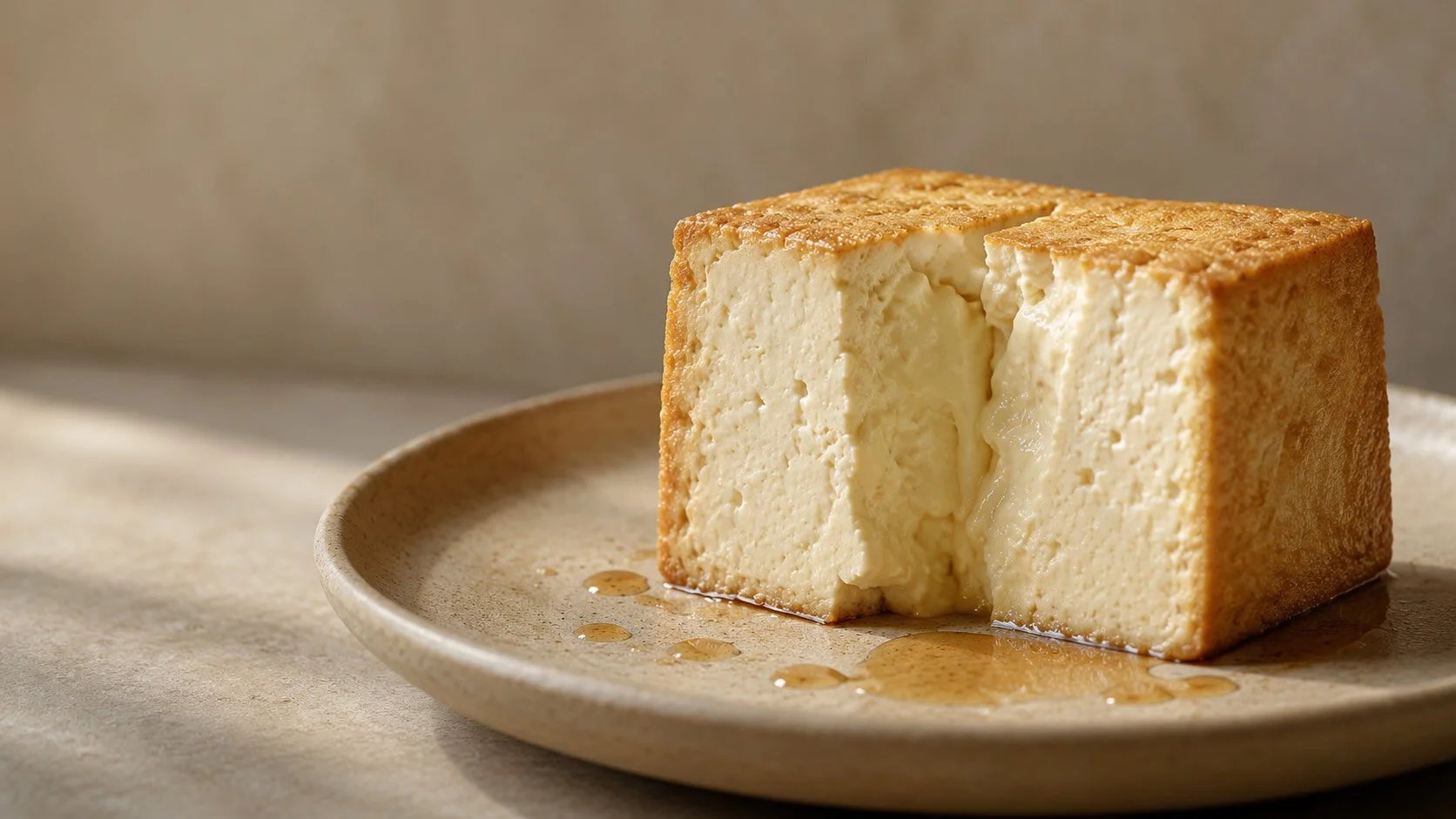
Tofu Is Not Bland — It’s Structural
Many people think tofu tastes bland because they treat it like a finished product instead of an ingredient system.
Tofu is better understood as a protein-water gel.
Inside tofu is a three-dimensional network of soy proteins holding water. That structure changes depending on moisture, heat, salt, pressure, and cooking technique.
Because of this, tofu can become:
crispy
silky
chewy
custardy
bouncy
sponge-like
creamy
smoky
delicate
The goal is not simply “adding flavour”.
The real goal is controlling:
texture
moisture
browning
aroma
contrast
seasoning balance
Once you understand those principles, recipes become flexible rather than necessary.
Step 1: Choose the Right Tofu Structure
Different tofu types behave differently under heat.
Silken Tofu
Best for:
soups
sauces
desserts
steaming
gentle dishes
Silken tofu contains very high water content with an extremely delicate protein network.
It works best when treated gently.
Use:
low agitation
gentle warming
steaming
blending
Firm or Extra-Firm Tofu
Best for:
frying
grilling
baking
stir-frying
Firm tofu contains a tighter protein structure and less free water.
This makes it better for browning and crisping.
Use:
pressing
high heat
pan frying
roasting
Freeze-Thawed Tofu
Freezing changes tofu dramatically.
Ice crystals create permanent macro-pores throughout the structure.
After thawing, tofu becomes:
chewier
more absorbent
sponge-like
This works especially well for broths, braises, and heavily seasoned dishes.
Use:
freezing
thawing completely
squeezing out water
simmering in sauce or broth
Step 2: Moisture Control Changes Everything
Most tofu problems are actually moisture problems.
Fresh tofu already contains a large amount of water.
If the surface stays wet:
browning slows down
crisping becomes difficult
sauces become diluted
steaming happens instead of frying
This is why tofu often turns pale, soft, or watery in the pan.
The Thermal Stall Problem
Before browning can happen, surface water must evaporate.
Until then, the surface temperature remains close to the boiling point of water.
The Maillard reaction — responsible for deep browning and savoury complexity — generally accelerates above roughly 140–165°C.
This is why drying the surface matters more than marinating for hours.
To Improve Browning
Use:
pressing
dry surfaces
enough pan space
moderate oil
patience before flipping
A crowded pan traps steam.
Steam prevents crisping.
Step 3: Build Flavour Through Balance
Tofu does not need aggressive seasoning.
It needs a balanced structure.
The Core Flavour Roles
Depth
Creates a savoury backbone.
Examples:
soy sauce
miso
mushrooms
fermented foods
seaweed
Brightness
Prevents heaviness and muddiness.
Examples:
vinegar
citrus
tamarind
pickles
Carry
Fat helps spread aroma compounds across the palate.
Examples:
sesame oil
chilli oil
tahini
peanut butter
coconut milk
Aroma
Aromatics shape identity.
Examples:
garlic
ginger
shallots
herbs
spices
A Simple No-Recipe Balance Framework
Instead of memorising recipes, think structurally:
Depth
Brightness
Carry
Aroma
Example
Depth
Soy sauce + mushrooms
Brightness
Rice vinegar
Carry
Sesame oil
Aroma
Garlic + ginger + chilli
That alone can create a complete tofu dish.
Step 4: Choose the Right Cooking Technique
Cooking technique changes tofu more than seasoning alone.
Pan Frying
Creates:
crisp exterior
soft centre
strong browning
Best for:
firm tofu
quick sauces
stir-fries
Baking or Roasting
Creates:
drier texture
chewiness
concentrated flavour
Best for:
bowls
wraps
meal prep
Steaming
Creates:
softness
delicacy
moisture retention
Best for:
silken tofu
ginger-scallion dishes
subtle broths
Simmering or Braising
Allows tofu to integrate with the surrounding liquid.
Best for:
freeze-thawed tofu
stews
hot pots
claypot dishes
Step 5: Texture Contrast Makes Dishes Memorable
Great tofu dishes rarely rely on one texture alone.
The best dishes combine contrast.
Examples:
crisp exterior + custardy centre
chewy tofu + crunchy vegetables
silky tofu + crispy chilli oil
sponge-like tofu + concentrated broth
Without contrast, food can feel flat even when the flavour is strong.
Texture creates movement inside a dish.
Step 6: Build Dishes Freely
Instead of following recipes rigidly, think in layers.
1. Choose Your Tofu Structure
silky
firm
crispy
chewy
sponge-like
2. Choose Your Flavour Direction
Examples:
East Asian
Soy sauce, rice vinegar, sesame oil, ginger
Mediterranean
Garlic, lemon, olive oil, oregano
Southeast Asian
Coconut milk, lime, herbs & chilli
Middle Eastern
Tahini, sumac, garlic & parsley
Smoky & Roasted
Smoked paprika, lemon, olive oil, garlic
3. Add Contrast
Examples:
herbs
seeds
nuts
pickles
crunchy vegetables
chilli oils
The Real Secret
Most great tofu cooking is not about complicated recipes.
It is about understanding how tofu behaves.
Once you learn:
moisture control
browning
texture
seasoning balance
structural contrast
You can build countless tofu dishes from whatever ingredients you already have.
Tofu stops feeling bland the moment you stop treating it like a finished flavour — and start treating it like a highly adaptable cooking material.
Every small adjustment changes the result.
That flexibility is exactly what makes tofu extraordinary.
