
How to Build Flavour Without a Recipe – The Plant-Based Way
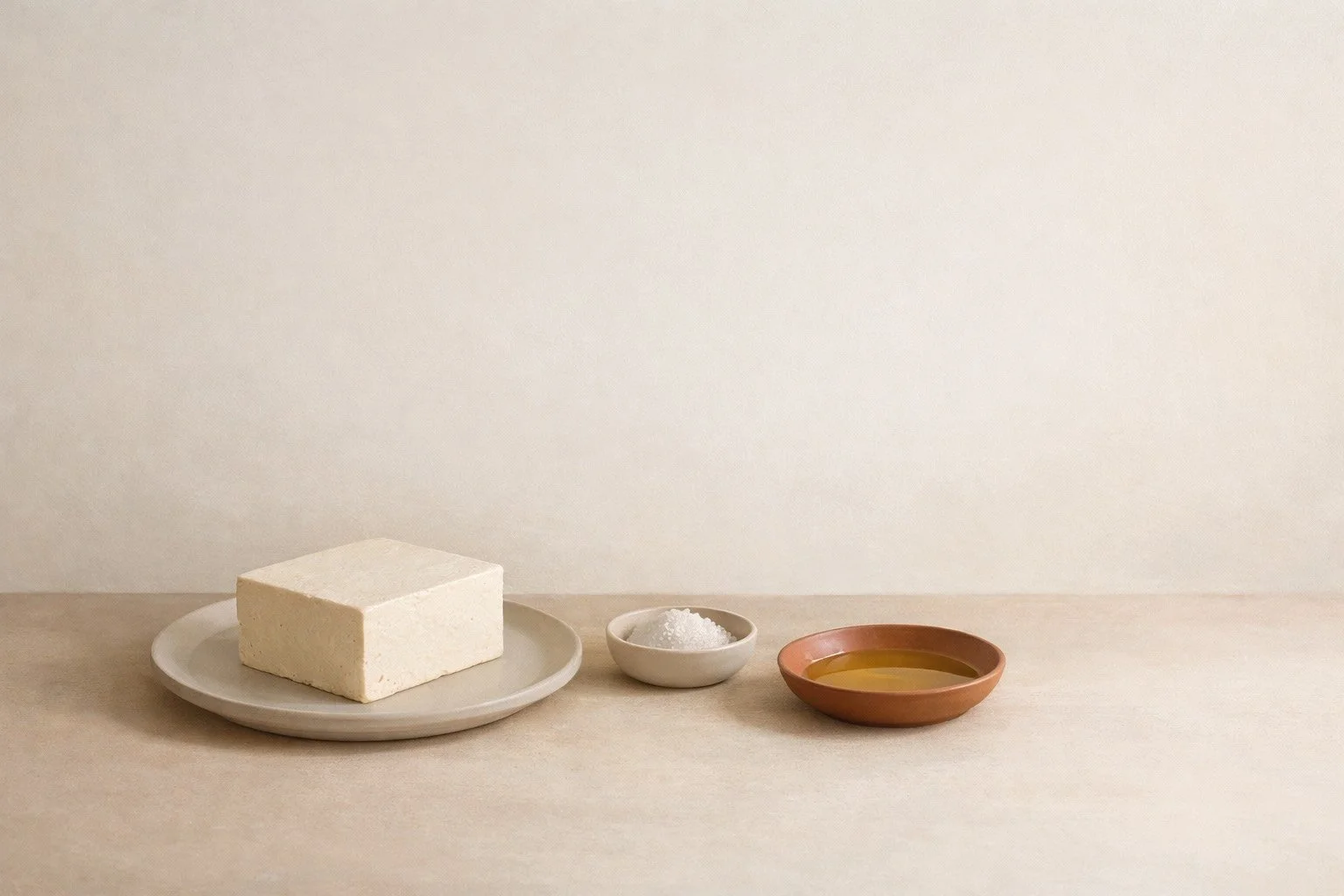
Companion Guide to the Cooking Without Recipes Series
Why This Guide Exists
In the Cooking Without Recipes series, we explored how intuitive cooking develops:
• learning to pay attention
• training the senses
• acting with confidence
• building flavour through layering
Those articles focus on how cooks think and respond in the kitchen.
This guide looks at something slightly different.
It explains the flavour roles behind intuitive cooking — the elements that give plant-based dishes depth, balance, and satisfaction.
Once you understand these roles, cooking becomes far more flexible.
You stop asking “What does the recipe say?”
And begin asking, “What is missing?”
The Problem With Recipes (Especially in Plant-Based Cooking)
Recipes are useful tools.
But they can quietly train us to outsource judgment.
When every step is predetermined, flavour becomes something we follow rather than something we build.
In plant-based cooking, this limitation becomes more obvious.
Plants do not rely on built-in richness from fat or collagen. Instead, flavour emerges through structure, balance, and transformation.
Without understanding those roles, dishes can easily feel flat or repetitive.
But once you recognise what each element contributes, you can cook confidently with whatever ingredients you have.
Think in Roles, Not Ingredients
Instead of asking:
“What should I add next?”
Try asking:
“What role is missing?”
Most satisfying plant-based dishes balance a few essential roles.
Understanding these roles gives flavour structure.
Structure: What Gives the Dish Body?
Structure is the physical backbone of a dish.
It provides texture, substance, and the surface where flavour can attach.
Common plant-based sources of structure include:
• tofu (firm, silken, or frozen-thawed)
• tempeh
• mushrooms
• legumes
• roasted vegetables
If the structural element is weak, the dish will feel unsatisfying no matter how much seasoning is added.
Tofu insight
Tofu is especially useful because its structure can change dramatically depending on how it is prepared.
Pressed tofu behaves differently from silken tofu.
Frozen tofu absorbs flavour differently again.
Understanding those variations allows tofu to act as both protein and texture.
Fat: What Carries Flavour?
Fat spreads flavour across the palate.
Without it, seasoning can taste sharp, thin, or disconnected.
Plant-based sources of fat include:
• cooking oils
• nut butters
• coconut milk or cream
• sesame paste or tahini
Fat does not simply add richness.
It connects flavours together, allowing them to linger and interact.
Even a small amount can transform the perception of a dish.
Salt: What Unlocks Everything Else?
Salt is not a garnish.
It is a structural tool.
In plant-based cooking, salt reveals flavours that are already present in ingredients.
Used early, it helps build depth.
Used later, it sharpens and clarifies.
If a dish tastes dull, the issue is often insufficient salt, not insufficient spice.
Salt allows sweetness, bitterness, and umami to become visible.
Acid: What Creates Contrast?
Acidity provides lift and contrast.
Instead of making food sour, it brightens flavours that would otherwise feel heavy.
Plant-based sources include:
• citrus juice
• vinegars
• fermented ingredients
• pickles and brines
Acid is often most effective when added near the end of cooking.
Think of it as light entering the dish, revealing details that were already present.
Heat and Time: What Transforms Flavour?
Transformation is the final role.
Heat and time change the ingredients themselves.
Browning creates savouriness.
Gentle heat creates cohesion.
Slow cooking deepens flavour.
Plant-based dishes often fail because this stage is rushed.
Let the tofu brown properly.
Let onions soften completely.
Let sauces reduce until they taste like themselves.
Transformation requires patience.
Why Tofu Is a Powerful Flavour Instrument
Tofu is often criticised for being bland.
But neutrality is precisely what makes it valuable.
Tofu does not overpower flavour.
It carries it.
Pan-fried tofu holds browned notes.
Silken tofu distributes seasoning evenly.
Frozen tofu absorbs marinades structurally.
Instead of asking tofu to imitate meat, it becomes far more interesting when treated as a flavour instrument.
It allows the cook to shape flavour intentionally.
Learning to Taste Instead of Measure
Cooking without recipes does not mean guessing.
It means paying attention.
When tasting a dish, ask questions like:
Does this feel flat or sharp?
Is it heavy or hollow?
Does it need contrast or cohesion?
These questions guide adjustments far better than measurements.
Once you recognise flavour roles, you no longer depend on instructions.
You respond to the dish itself.
How This Connects to the Series
The Cooking Without Recipes series focuses on developing intuition.
This guide explains the flavour roles that support that intuition.
Together they form a simple framework:
Intuition helps you notice and decide.
Flavour roles help you structure the dish.
When those two skills meet, cooking becomes flexible, calm, and creative.
Final Takeaway
Recipes can guide us, but they are only one way of learning to cook.
Understanding flavour roles offers something deeper.
When you know how structure, fat, salt, acid, and transformation interact, cooking stops being guesswork.
It becomes a design.
And with tofu — adaptable, neutral, and endlessly patient — that design becomes easier to explore.
One thoughtful meal at a time, that is how we move toward a kinder, more sustainable kitchen. 🌱
