
Cooking Without Recipes: Developing Kitchen Intuition
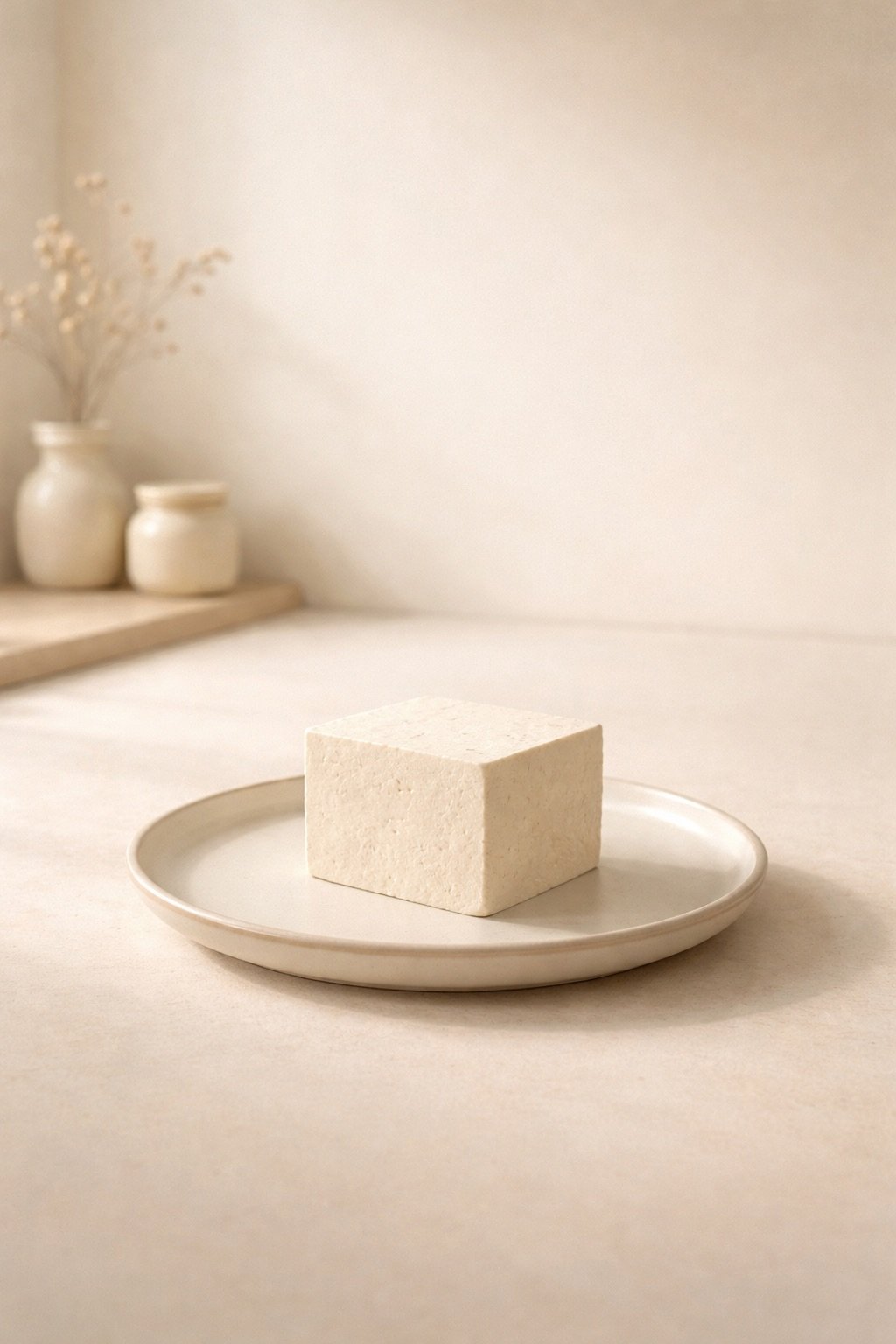
Series: Cooking Without Recipes
A practical guide to developing kitchen intuition — learning to notice change, trust your senses, and build flavour with confidence using tofu as a training ingredient.
Articles in this series
• Cooking Without Recipes (Part 1): Developing Kitchen Intuition
• Cooking Without Recipes (Part 2): Training Your Senses
• Cooking Without Recipes (Part 3): Cooking With Confidence
• How to Layer Flavours Like a Chef — No Recipe Required
Intuition Isn’t Talent — It’s Training
Some people seem to cook effortlessly.
They don’t measure.
They rarely check recipes.
They simply know what to do.
From the outside, that kind of cooking can feel mysterious — as if some cooks are simply born with instinct while others are not.
But kitchen intuition isn’t magic.
It’s training.
It grows slowly through repetition, observation, and quiet attention to how ingredients behave. Every meal becomes a small lesson. Over time, those lessons accumulate into something that looks like instinct.
And few ingredients teach this better than tofu.
Why Recipes Feel Safe (and Why That’s Okay)
Recipes are valuable, especially at the beginning.
They offer structure:
• Clear steps
• Predictable outcomes
• Guidance when you’re unsure
For new cooks, this certainty builds confidence.
But over time, strict reliance on recipes can quietly disconnect us from the food itself. Instead of responding to ingredients, we begin following instructions.
We stop asking simple questions like:
How does this feel in the pan?
What is this ingredient doing right now?
What might it need next?
Kitchen intuition begins the moment those questions return.
Why Tofu Is the Perfect Teacher
Many ingredients dominate a dish with strong flavours or dramatic cooking reactions.
Tofu does the opposite.
It is calm, adaptable, and responsive.
Change the heat, and it behaves differently.
Adjust the timing, and it tells you.
Touch it, and you feel its readiness.
Tofu doesn’t hide mistakes — but it also doesn’t punish them.
Instead, it provides feedback.
That makes it an ideal training ingredient for developing kitchen intuition.
In this series, tofu isn’t presented as a substitute for anything else. It becomes something more interesting: a quiet practice ground for learning how ingredients respond to heat, seasoning, and time.
Intuition Begins Before the Stove Is On
Cooking without recipes doesn’t begin with movement.
It begins with attention.
Before the pan heats, experienced cooks pause and observe what they’re working with.
They ask simple questions:
What condition is this ingredient in today?
What might it be suited for?
Tofu makes these observations especially clear.
A block might be:
• Firm or delicate
• Fresh or slightly aged
• Moist or well-pressed
Each state suggests different possibilities.
At this stage, you don’t need a plan.
You only need to notice.
From Fear to Familiarity
Many people hesitate to cook without recipes because they fear wasting food.
That concern is understandable.
But intuition develops fastest when the ingredient itself is forgiving.
Tofu happens to meet all the right conditions:
• Adaptable enough to recover from small mistakes
• Affordable enough for experimentation
• Responsive enough to show you what works
If it overcooks, you learn about timing.
If it lacks seasoning, you learn to adjust.
If it breaks apart, you learn gentler handling.
Nothing is wasted.
Everything becomes information.
The First Mental Shift
Recipes often encourage us to ask:
“Am I doing this correctly?”
Intuitive cooking asks a different question:
“What’s happening right now?”
That shift may sound small, but it changes everything.
Instead of chasing perfection, you begin observing change.
And tofu — neutral, patient, and responsive — makes that shift safe.
The Beginning of a Different Way to Cook
Kitchen intuition does not appear overnight.
It develops slowly through sensory awareness and small decisions made without panic.
Each meal builds familiarity.
Each observation deepens confidence.
Gradually, cooking stops feeling like following instructions and starts feeling like a conversation with your ingredients.
What Comes Next
Attention is only the first step.
To cook without recipes, you must also learn how to recognise the signals ingredients give while they change.
In Part 2, we begin training the senses — learning how sight, sound, smell, and touch reveal what tofu is doing while it cooks.
Final Takeaway
When you stop relying entirely on recipes, you don’t lose control.
You gain awareness.
You gain flexibility.
Most importantly, you gain a relationship with your food.
And for many cooks, that relationship quietly begins with tofu. 🌱
➡ Continue reading:
Cooking Without Recipes (Part 2): Training Your Senses
