
How to Use Tofu for Creamy, Dairy-Free Sauces and Cheeses
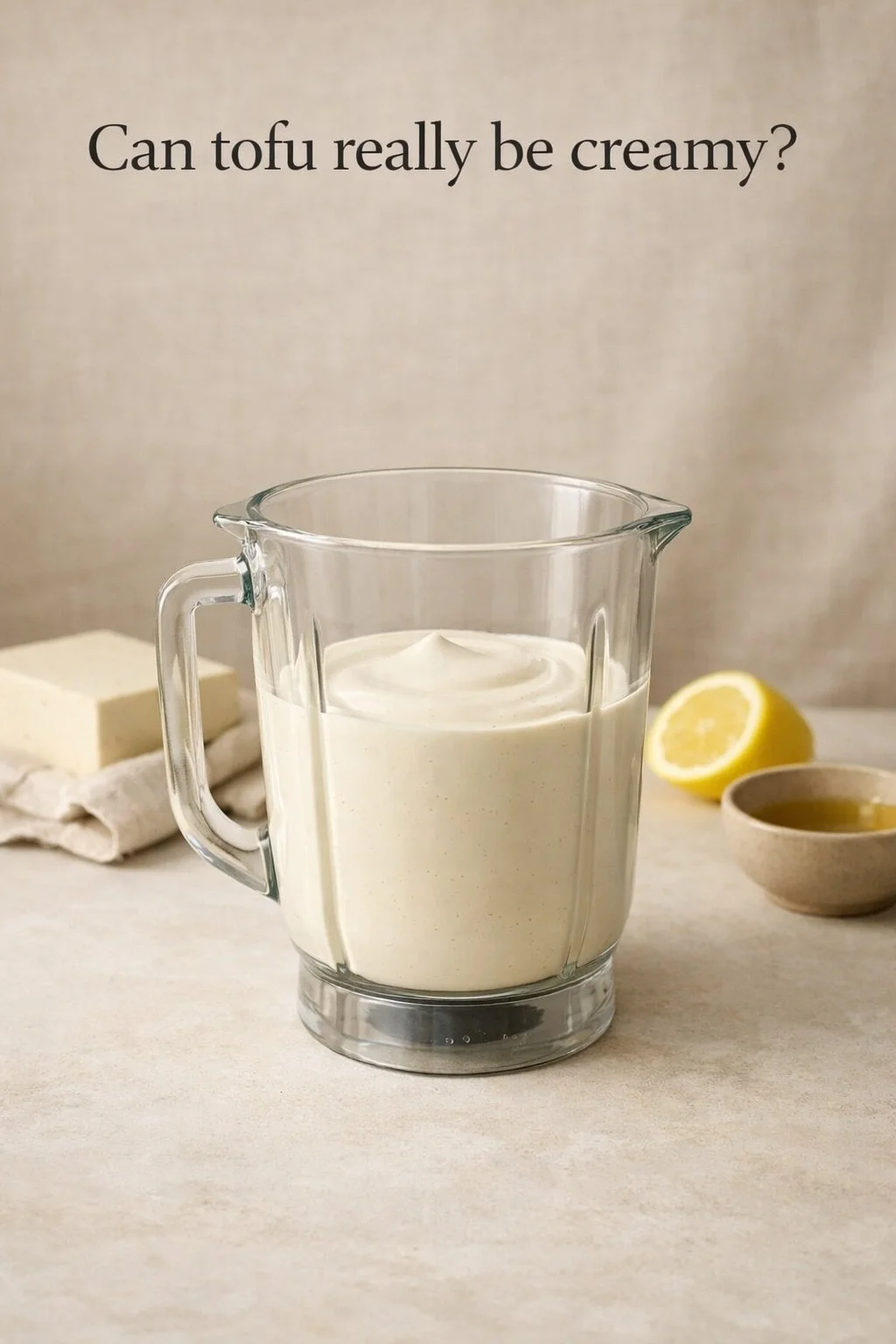
Introduction: Why Tofu Makes Creamy Things Possible
Creaminess isn’t owned by dairy.
It’s a textural state, not an ingredient.
At its core, tofu is a stable protein-water gel—which means it can be blended, seasoned, and shaped into textures that range from pourable sauce to sliceable cheese. No melting required. No emulsifiers needed.
Across home kitchens and professional plant-based cooking, tofu has quietly become the backbone of creamy pasta sauces, salad dressings, dips, spreads, and even cultured-style cheeses. Not because it pretends to be dairy—but because it does something dairy can’t: it holds structure without fat overload.
This guide shows how to use tofu intentionally—choosing the right type, building flavour properly, and avoiding the common mistakes that lead to bland or chalky results.
The Two Tofu Types That Matter for Creamy Sauces
Not all tofu behaves the same once blended. For creamy applications, everything comes down to water content and protein density.
Silken Tofu (Primary Choice)
Silken tofu is set without pressing, forming a continuous gel where water is part of the structure—not excess moisture.
Best used for:
Pourable sauces
Salad dressings
Dessert creams
Soft ricotta-style fillings
Why it works:
It blends into a uniform, glossy base without graininess.
Soft or Medium Tofu (Secondary Choice)
Lightly pressed but still tender.
Best used for:
Spreadable cheeses
Whipped dips
Cream cheese alternatives
Why it works:
More body than silken tofu, but still blendable when hydrated properly.
🚫 Avoid firm or extra-firm tofu for sauces. They’re designed for structure, not emulsification—and will turn pasty unless heavily modified.
The Base Formula: Tofu Cream Logic
Nearly all tofu-based creamy sauces follow this structure:
Tofu + Liquid + Fat + Acid + Salt
Each element plays a specific role.
1. Tofu = Structure
This is your body. It replaces cream, not milk.
2. Liquid = Flow Control
Water, plant milk, or stock determines thickness.
Add slowly—once thin, it can’t go back.
3. Fat = Mouthfeel
Olive oil, neutral oil, tahini, or cashews add richness.
Without fat, tofu sauces taste flat.
4. Acid = Brightness
Lemon juice, vinegar, or lactic notes wake up the palate.
Essential for “cheese-like” results.
5. Salt = Identity
Tofu is neutral by design. Salt defines flavour, not seasoning.
Turning Tofu Into “Cheese” (Without Pretending)
Tofu cheeses work best when you stop trying to replicate dairy exactly—and instead focus on function.
Spreadable Tofu Cheese
Think: cream cheese, ricotta, feta-adjacent spreads.
How it works:
Soft or silken tofu
Moderate fat
Clear acid
Minimal liquid
Texture goal:
Whipped, spreadable, lightly tangy
This style works beautifully in wraps, toast, pasta fillings, and dips.
Sauce-Style “Cheese”
Think: nacho sauce, mac and cheese base, savoury drizzle.
How it works:
Silken tofu
Higher liquid ratio
Strong savoury flavour builders
Texture goal:
Pourable, glossy coating
Nutritional yeast, miso, garlic, and onion powder do the heavy lifting here—not tofu itself.
Common Mistakes (and Why They Happen)
❌ “It tastes bland”
Tofu needs layered seasoning, not just salt.
Add acid, fat, and umami—not more tofu.
❌ “It’s chalky or dry”
Too much protein, not enough liquid or fat.
Silken tofu fixes this instantly.
❌ “It separates when heated”
Tofu sauces prefer gentle heat.
Boiling breaks the protein network.
Flavour Architecture: What Tofu Absorbs (and What It Doesn’t)
Tofu doesn’t soak up flavour like a sponge.
Instead, it carries flavour evenly once blended.
This is why tofu sauces taste best when:
Flavours are fully blended, not folded in
Aromatics are cooked before blending
Acids are added last and adjusted slowly
Used correctly, tofu becomes a neutral canvas that delivers flavour cleanly—without heaviness.
Where Tofu Sauces Shine
Tofu-based creamy sauces aren’t just “dairy-free alternatives”.
They’re lighter, cleaner, and more adaptable.
They work especially well in:
Pasta sauces
Grain bowls
Roasted vegetable dressings
Sandwich spreads
Savoury breakfasts
They also align naturally with plant-forward cooking traditions seen across East Asian temple cuisine and modern whole-food kitchens—where tofu is valued for restraint, not disguise.
Final Takeaway: Creaminess Without Compromise
Tofu doesn’t need to pretend to be cheese to be satisfying.
When treated as a structural ingredient, it creates sauces and spreads that are smooth, balanced, and deeply comforting—without relying on dairy, thickeners, or excess fat.
Every time you blend tofu into something creamy, you’re choosing craft over substitution.
A quieter kind of richness.
A kinder kind of indulgence.
That’s the Tofu World way. 🌱
