
Tofu vs. Other Plant Proteins: The Ultimate Showdown
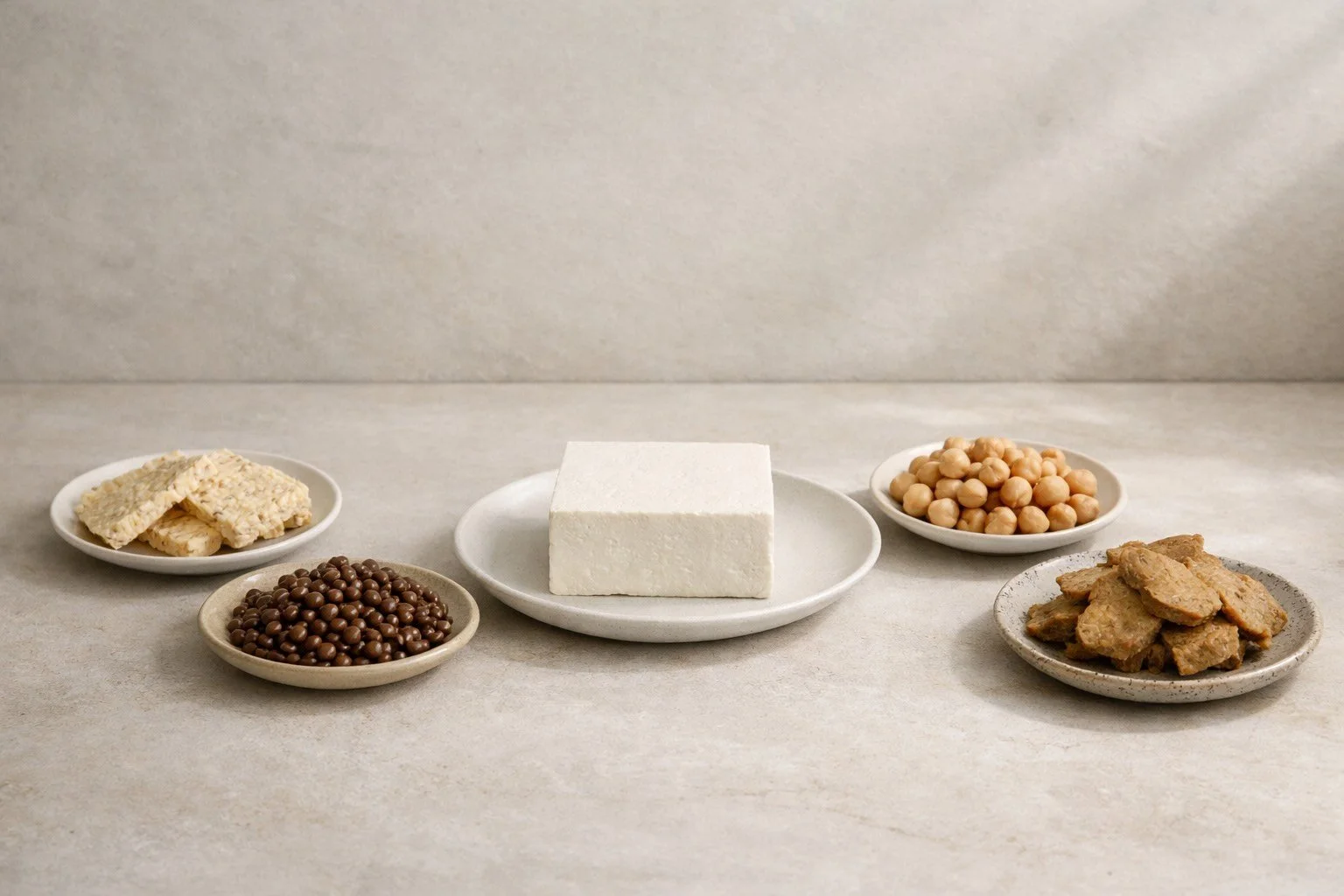
Plant-based eating has never had more options. Tempeh, lentils, chickpeas, seitan—each brings its own strengths, quirks, and loyal fans. But when everything is stripped back to everyday cooking, nutrition, and adaptability, how does tofu really stack up?
This isn’t about crowning a single “winner”. It’s about understanding what each protein is good at—and why tofu often ends up being the quiet all-rounder that fits almost anywhere.
1. Protein Quality & Nutrition
Let’s start with what most people ask first: protein.
Tofu
Complete protein (all nine essential amino acids)
Moderate protein density, depending on firmness
Naturally low in saturated fat
Often calcium-rich when set with calcium salts
Tempeh
Also a complete protein
Higher protein per gram than tofu
Fermented, which can improve digestibility
More calories and a stronger flavour
Lentils & Chickpeas
High in protein and fibre
Not complete proteins on their own
Excellent for gut health and satiety
Slower digestion, heavier mouthfeel
Seitan
Extremely high protein content
Low-fat, chewy texture
Not suitable for gluten-free diets
Lacks some essential amino acids
Takeaway:
Tofu isn’t the most protein-dense, but it offers a rare balance of completeness, lightness, and digestibility that works across many meals without overwhelming them.
2. Texture & Structural Versatility
This is where tofu quietly pulls ahead.
Tofu’s Advantage
Tofu exists on a spectrum: silken, soft, firm, extra-firm. Each behaves differently under heat, blending, frying, or chilling. It can be:
Custardy in desserts
Crisp at the edges
Creamy when blended
Meaty when frozen or pressed
How Others Compare
Tempeh is always dense and grainy—great for slicing, less flexible overall
Lentils & chickpeas break down or stay firm, but rarely transform
Seitan mimics chew but stays structurally rigid
Why it matters:
Texture isn’t just mouthfeel—it determines how flavour moves. Tofu’s protein-water network adapts, absorbs, and reshapes itself depending on technique.
3. Flavour Absorption & Culinary Range
A common myth: tofu has no flavour.
In reality, tofu is neutral by design—which is exactly why it works so well.
Tofu
Absorbs surrounding flavours after heating and cooling
Takes on sauces, broths, spice oils, and aromatics
Can be savoury, sweet, or neutral
Tempeh
Nutty, fermented flavour always present
Excellent when you want depth without seasoning complexity
Legumes
Earthy and sweet, but assertive
Often need herbs, acids, or fats to feel complete
Seitan
Relies heavily on seasoning during preparation
Less receptive once cooked
Bottom line:
Tofu adapts to the dish. Others often define it.
4. Digestibility & Everyday Eating
Protein isn’t helpful if it feels heavy.
Tofu: Light, hydrated, gentle—easy to eat regularly
Tempeh: Heavier, but fermentation helps digestion
Legumes: Fibre-rich, but can cause bloating for some
Seitan: Dense and filling, not always ideal for daily
For everyday meals—lunch bowls, weeknight stir-fries, soups—this matters more than nutrition charts.
5. Sustainability & Accessibility
All plant proteins outperform meat environmentally, but differences still exist.
Tofu: Efficient protein yield, minimal processing, globally scalable
Tempeh: Similar footprint, but more labour-intensive
Legumes: Excellent soil benefits, seasonal dependence
Seitan: Wheat-based, efficient but processed
Tofu’s biggest sustainability strength?
It delivers maximum culinary flexibility with relatively simple production.
So… Who Wins?
If you want intensity, tempeh shines.
If you want fibre and fullness, legumes lead.
If you want chew, seitan delivers.
But if you want:
One protein that works across cuisines
One ingredient that adapts to technique
One food that fits breakfast, lunch, dinner, and dessert
Tofu quietly earns its place.
Not as a substitute.
Not as a compromise.
But as a foundation.
Final Thought
You don’t need to choose sides. A rich plant-based kitchen uses all these proteins. But tofu’s real power lies in its ability to meet you where you are—whether you’re just starting out or cooking with intention. One small swap, one flexible ingredient, one kinder meal at a time. 🌱
